Your shopping cart is empty!
How RTA Kitchen Cabinets Are Built: What the Specs Actually Tell You Before You Buy
Posted By: Eva Times Read: 533
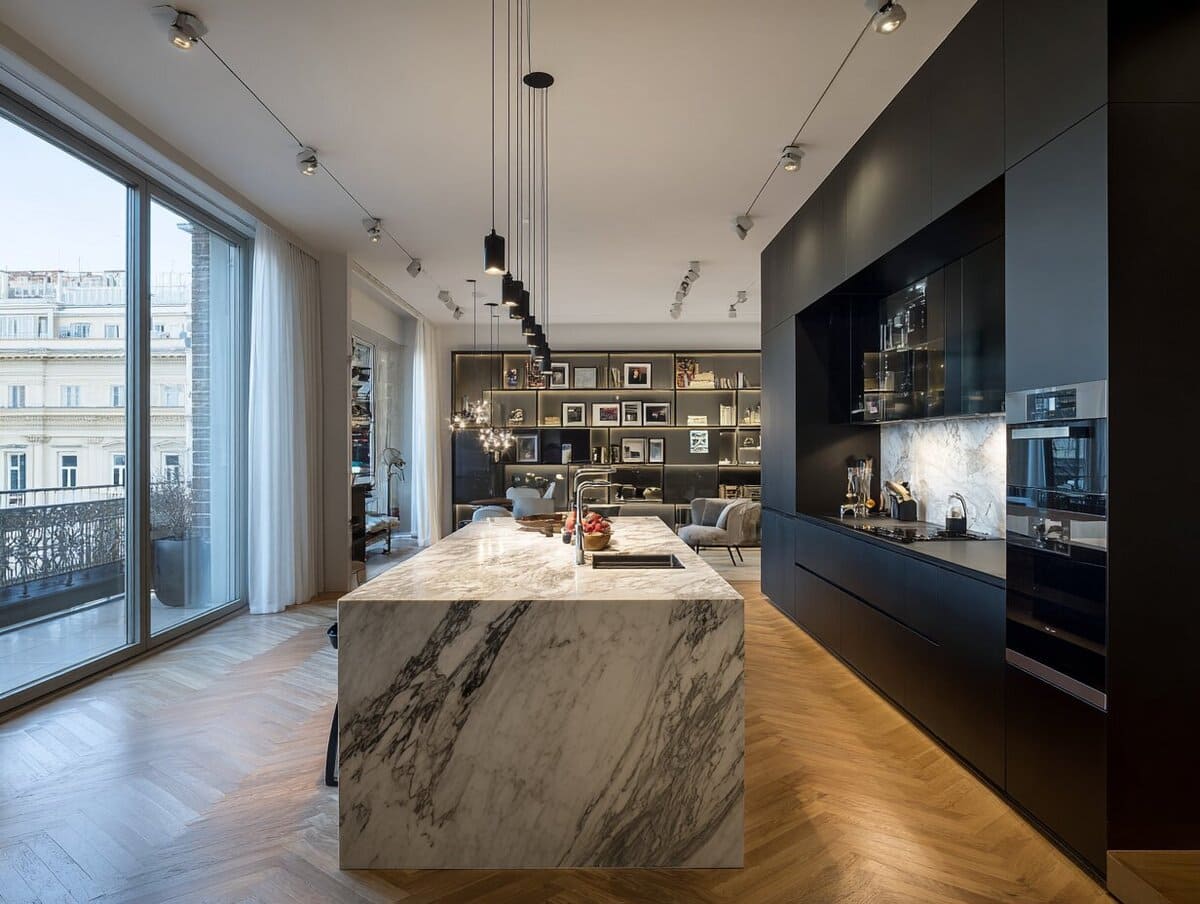
When shopping for RTA kitchen cabinets, most people focus on style, color, and price. Those are fair starting points, but they only tell you how a cabinet looks, not how it holds up. The real story is in the specification sheet, and knowing how to read it can save you from a costly mistake down the road.
These details can only be found in the specification sheet that usually comes with each cabinet. It may look incredibly technical to regular people, but it offers valuable insights into how the cabinet was actually built.
If you truly want to evaluate a cabinet before purchase, you cannot overlook its specifications. A cabinet’s specifications will help you look beyond appearances, so you can compare different cabinet options more confidently. We’d suggest reading the full blog to get a clearer understanding of this topic.
Why Cabinet Specifications Matter More Than Product Photos
Product photos show you how a cabinet looks. The specification sheet tells you how it is built. Two cabinets can look nearly identical online yet differ significantly in materials, joinery methods, and hardware quality. Those differences directly affect how long the cabinet lasts, how the drawers feel after three years of daily use, and whether the structure holds up under real kitchen weight.
Reading a cabinet's specification sheet helps you answer practical questions before purchase, such as:
- Will the drawers handle heavy cookware?
- Will the cabinet structure remain sturdy over time?
- Are the hinges built for daily use?
Think of the specification sheet not as technical jargon, but as a plain-language explanation of what you are actually paying for once the finish and the photos are set aside.
Key Specifications You Must Always Check
Different RTA kitchen cabinets may have different specifications, but the following will remain common across most high-quality cabinets.
◇ Cabinet Box Construction
Also known as the body box, it’s the foundation on which the entire cabinet rests. It is best explained as the structural core of the cabinet that supports shelves, drawers, doors, and everything stored inside.
For example, the Florence White cabinet at Cabinet DIY features a half-inch thick plywood body box. That means the structural core is built from plywood panels rather than particleboard or MDF alternatives, which tend to swell near moisture and lose their screw-holding ability over time.
Plywood was chosen specifically because it holds screws well and resists warping, both of which matter when cabinets carry real weight over years of daily use.
◇ Wood Species: Determining Appearance & Longevity
Wood species is a key specification because it indicates what type of wood was used in the cabinet. It matters because different wood species vary in strength, grain pattern, texture, etc., which affects everything from appearance to everyday usage practicality.
Maple is one of the most widely used wood species in quality cabinet construction, and the reasons become clear once you work with it regularly. Its grain is tight and consistent, which means paint and stain lay down evenly without blotching, a common problem with more porous woods like oak or alder.
It also sits at around 1,450 on the Janka hardness scale, making it hard enough to resist the kind of surface denting that shows up over years of kitchen use. Cabinet builders tend to reach for maple when they want a species that finishes well, machines cleanly, and holds its shape through seasonal humidity changes. For painted cabinet finishes in particular, it is difficult to find a more forgiving wood to work with.
Whenever you see maple as the wood species in any specification sheet, understand that it implies the cabinet features durable surfaces. It offers a good blend of style and longevity.
◇ Drawer Box Specifications
If there’s one specification worth paying close attention to, it’s the drawer construction of RTA kitchen cabinets. Drawers experience constant stress from opening, closing, and carrying weight. As a result, their construction often says a great deal about the overall quality of the cabinet.
For example, the Farmhouse Taupe cabinet lists dovetail joinery and 100% solid wood construction in its specification sheet. Dovetail joints interlock mechanically, which means they do not rely on glue or staples alone to stay together. When paired with solid wood sides, the result is a drawer box that resists racking and handles heavier loads without the joints loosening over time.
◇ Hinges & Drawer Slides
While cabinet finishes often draw attention, hardware that affects the daily usability of RTA kitchen cabinets gets overlooked. It should not be overlooked if you’re looking for a reliable cabinet.
Specifications commonly mention soft-close hinges, concealed hinges, full-extension slides, or an undermount drawer system. These terms describe how doors and drawers move and function.
Soft-close hinges help doors close smoothly and quietly rather than slam, whereas full-extension drawer slides allow drawers to open completely. We’d suggest checking the hinges & drawer slides profile listed on the specifications page, and get clarity about what it means from the retailer or manufacturer. It will help you make the right purchase decision.
What Specifications Will Not Always Tell You
Specification sheets are useful, but they have limits. They typically describe materials and hardware, but they do not tell you about assembly tolerances, finish consistency, or how well a cabinet ships. Reading specifications alongside verified customer reviews and, where possible, requesting a sample door gives you a more complete picture before committing to a full kitchen order.
| Specification | What to Look For | What to Avoid | Why It Matters |
|---|---|---|---|
| Box Construction | Half-inch or thicker plywood | Particleboard or MDF panels | Plywood holds screws firmly and resists swelling near moisture. Particleboard loses structural integrity over time. |
| Wood Species | Maple or birch | Soft or highly porous woods | Maple and birch sit higher on the hardness scale, meaning surfaces resist denting and hold painted finishes without blotching. |
| Drawer Joinery | Dovetail joints with solid wood sides | Stapled, glued, or dowelled joints | Dovetail joints interlock mechanically and do not rely on adhesive alone, making them significantly more resistant to racking under load. |
| Drawer Slides | Full-extension undermount slides | Side-mount or partial-extension slides | Full-extension gives you complete access to the back of the drawer. Undermount placement keeps the slide hidden and reduces visible wear. |
| Hinges | Soft-close, concealed, six-way adjustable | Exposed Euro hinges with no soft-close | Soft-close reduces door stress over thousands of cycles. Six-way adjustability lets you correct alignment after installation without tools. |
| Shelf Material | Adjustable plywood shelves with edge banding | Fixed particleboard shelves | Plywood shelves resist sagging under heavy loads. Adjustable positioning lets you reconfigure storage as your needs change. |
Conclusion
An RTA kitchen cabinet's specification sheet is not just a formality included in the product listing. It tells you what the cabinet is made of, how it is built, and whether it is likely to hold up in a real kitchen.
Every individual should develop a basic understanding of key specifications, including the body box, hinges, wood species, etc., to gain clarity on how the cabinet has been built.
You don’t need to become a cabinet expert to benefit from these details. You simply need to know what the specifications are trying to tell you. Once you do, you’ll be far better equipped to choose cabinets that offer lasting value for your kitchen. We’ve tried to simplify the main specifications in this blog, so you can get started on this journey.
Use this as your starting point. The specifications covered here are the ones that show up most often and carry the most weight in terms of real-world durability. As you compare options, the spec sheet should be one of the first things you open, not an afterthought.
Comments
Pinterest CabinetDIY
Latest Blog Posts
12
Oct
0
RTA Cabinets Just Arrived? What to Check Before You Start Building
Inspect your DIY kitchen cabinets for shipping damage, missing parts, finish defects, and sizing errors before assembly begins....
22
Sep
0
How to Measure Your Kitchen Before Ordering DIY Cabinets
Learn how to measure your kitchen for DIY cabinets, from walls and windows to appliances and plumbing, before placing your order....
21
Sep
0
Slim Shaker or Regular Shaker? Here's What You're Actually Choosing Between
Slim shaker cabinets have narrower rails and a larger center panel. See how they compare with regular shaker on style, hardware, and kitchen size....
16
Sep
0
What Color Walls Go With Yellow Kitchen Cabinets?
What color walls go with yellow kitchen cabinets? Explore stylish color combinations and practical tips for creating a bright, balanced kitchen....
14
Sep
0
How to Keep Brown Kitchen Cabinets Looking Rich (Cleaning & Care Tips)
Keep brown kitchen cabinets looking rich with practical cleaning, stain removal, and maintenance tips that protect the finish and extend cabinet life....











Best Sellers
Information
My Account