Your shopping cart is empty!
How to Finish Unfinished Kitchen Cabinets: Paints, Stains, and Sealers Ranked by Durability
Posted By: Eva Times Read: 262
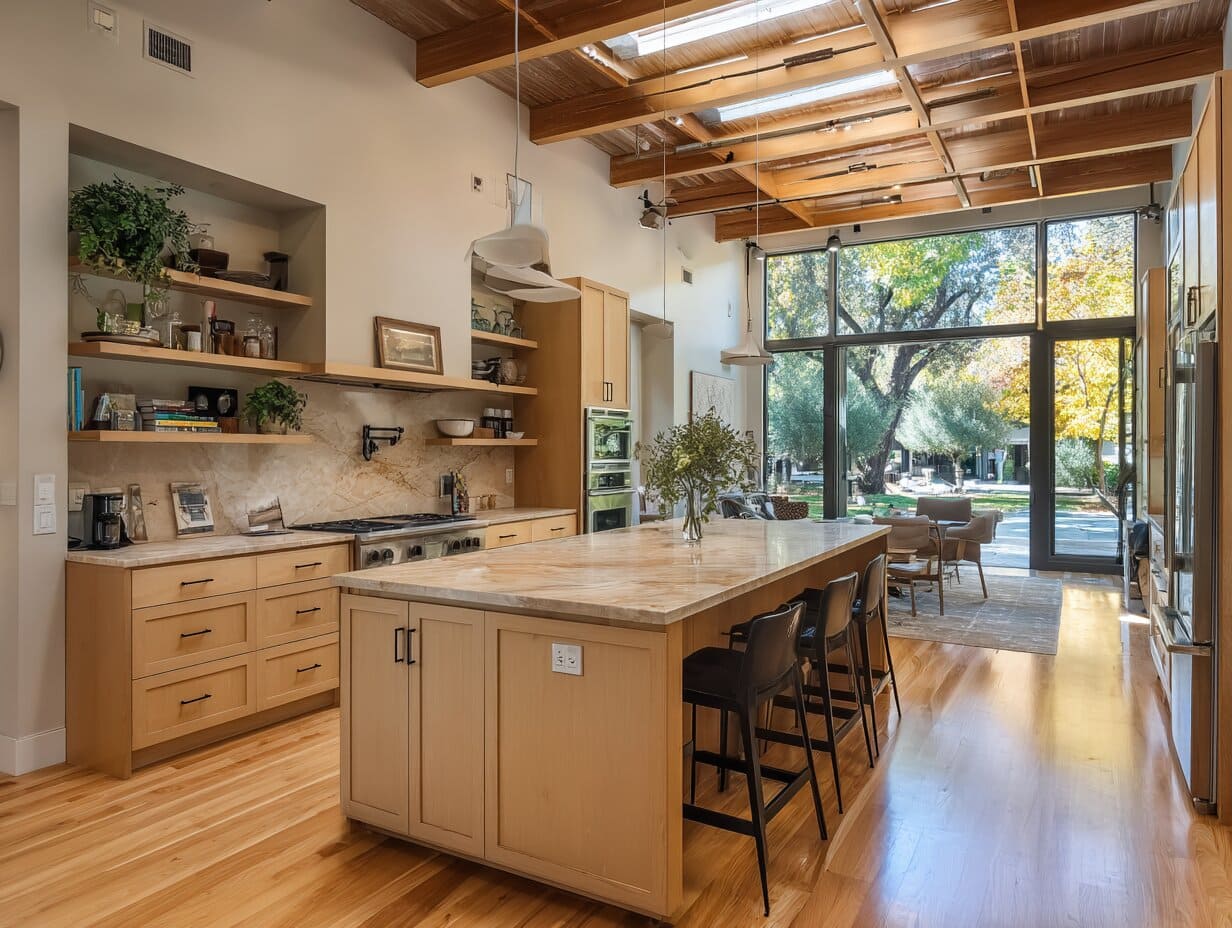
A surprisingly new kitchen design trend is emerging: homeowners are now choosing unfinished kitchen cabinets over prefinished options. Much of this shift comes down to flexibility.
If you buy an unfinished cabinet, you can customize it to match your preferred style, color palette, and overall kitchen design. That said, raw wood cannot be left unfinished for long. Without a proper finish, the cabinets will not hold up to daily kitchen use, which is exactly what this guide will help you choose.
If you’re thinking about paint, stain, and sealer for finishing, but are unsure about each option, then this blog will bring you clarity. We’ve created this detailed guide, which explains how these finishing options work, how to finish unfinished cabinets, and more.
Why Do Unfinished Cabinets Need a Protective Finish?
We have worked with unfinished cabinet installations across a range of kitchen styles, and the same pattern shows up consistently: cabinets that skip a proper sealer step are the first to show wear, usually within the first year of daily use.
Some homeowners like the raw, rustic look of unfinished wood and choose to leave it untouched, but we do not recommend skipping the finish altogether. Unfinished kitchen cabinets may look ready for installation, but their exposed wood remains vulnerable to the demands of everyday kitchen use.
Steam from cooking, humidity from dishwashers, food splashes near preparation areas, and the constant opening and closing of cabinet doors all take a toll on exposed wood over time. You can prevent it by choosing the right finish. The next section will introduce you to the best finishing options, so you can decide which one to proceed with.
Paints, Stains, and Sealers: Understanding Your Finishing Options
Before choosing between paint, stain, and sealer, it helps to understand that these are not competing products. Each option serves a different purpose, but they’re designed to work together. Now, explore each option.
Paint
Paint creates a solid, opaque finish that completely covers the wood grain.
Stain
Stain adds color to the unfinished kitchen cabinet, while allowing the natural grains and texture of the wood to remain visible.
Sealer
It’s the protective layer that helps cabinets withstand moisture, grease, scratches, and daily wear. Unlike paint and stain, a sealer’s primary role is protection, not enhancing appearance.
For most homeowners, the decision is not between paint and sealer or stain and sealer. Instead, it’s usually paint or stain for appearance, followed by a sealer for protection.
Here’s How You Can Finish Your Unfinished Kitchen Cabinets
You can finish your unfinished kitchen cabinets by following these steps.
Prepare the Wood Surface
Clean the cabinets thoroughly so the surfaces are free of dust, dirt, and manufacturing residue. After cleaning the cabinets, you should also sand the wood to create a smooth surface. It can also improve finish adhesion.
Decide What You Want the Finished Cabinets to Look Like
Decide whether you want the cabinets painted or stained. Proceed with stain if you want the wood grains to remain exposed for a more rustic look. Otherwise, choose a paint of your choice. This decision is more about appearance, not durability, so decide accordingly.
Apply the Chosen Finish
Apply the chosen finish. Beginners should stick to the instructions given in the product manual. We’d suggest using thin and even coats for the best results. You will need multiple coats to achieve a uniform coverage and color depth. Give adequate drying time between coats to avoid uneven results.
A quick safety note: most stains, paints, and sealers release fumes while they dry, so work in a well-ventilated area, keep a window open or a fan running, and wear gloves when handling these products.
Protect the Finish with a Sealer
Once the paint or stain (whatever you’ve chosen) has dried, apply a protective sealer. It’s the most crucial step because it will influence the cabinet’s resistance against moisture, scratches, grease, etc.
Allow the Finish to Cure Fully
Many homeowners mistake a dry finish for a cured finish. A cabinet may feel dry to the touch within a few hours, but most paints and stains need anywhere from a week to a month to harden fully, depending on the product. Check the manufacturer's instructions for the exact curing time, and avoid heavy use of the cabinets until that window has passed.
Paints, Stains, and Sealers: Which is More Durable?
When discussing durability, it’s important to evaluate the complete finishing system rather than a single product. A stained cabinet protected by a high-quality sealer, for example, will generally outperform a stained cabinet without a sealer. We’ve covered the durability of common finishing options, so you can choose wisely.
| Finishing Option | Durability |
|---|---|
| Conversion Varnish Sealer | Excellent |
| Stain + Polyurethane Sealer | Very High |
| Cabinet Paint + Protective Topcoat | High |
| Lacquer Finish | High |
| Stain Without Sealer | Low to Moderate |
| Paint Without Protective Topcoat | Low to Moderate |
As a homeowner, you can choose polyurethane-protected stained cabinets and conversion varnish finishes, as they provide maximum durability. Since they provide long-term cabinet protection, they can easily work well in kitchens that experience heavy daily use.
To simplify your decision-making further, here is a quick comparison:
| If You Want | Consider |
|---|---|
| Maximum durability | Stain + polyurethane sealer |
| A natural wood appearance | Stain + clear sealer |
| Unlimited colour options | Paint + protective topcoat |
| Easier touch-ups over time | Stain + sealer |
| A balance of style and protection | Cabinet paint + quality topcoat |
Cost is another factor to weigh alongside durability. Paint with a quality topcoat is usually the most budget-friendly option, while a conversion varnish or polyurethane sealer system tends to cost more upfront but lasts longer before it needs to be redone.
Conclusion
Finishing unfinished kitchen cabinets is straightforward once you understand how paint, stain, and sealer each play a role. Paint and stain decide the look, while the sealer decides how well that look survives daily kitchen life, so it should never be treated as optional. Of the options compared above, stain paired with a polyurethane sealer or a conversion varnish finish will give you the strongest long-term performance, while cabinet paint with a quality topcoat offers more flexibility if you want a specific color rather than a natural wood look.
The process itself rewards patience more than skill. Clean and sand the surface properly, apply thin and even coats, and resist the temptation to use the cabinets before the finish has fully cured, even if it feels dry to the touch. Rushing this last step is one of the most common reasons a finish wears out early. Take the time to match the right finishing system to how your kitchen actually gets used, and your unfinished cabinets will hold up the same way a factory-finished set would, often for a fraction of the cost.
Comments
Pinterest CabinetDIY
Latest Blog Posts
12
Oct
0
RTA Cabinets Just Arrived? What to Check Before You Start Building
Inspect your DIY kitchen cabinets for shipping damage, missing parts, finish defects, and sizing errors before assembly begins....
22
Sep
0
How to Measure Your Kitchen Before Ordering DIY Cabinets
Learn how to measure your kitchen for DIY cabinets, from walls and windows to appliances and plumbing, before placing your order....
21
Sep
0
Slim Shaker or Regular Shaker? Here's What You're Actually Choosing Between
Slim shaker cabinets have narrower rails and a larger center panel. See how they compare with regular shaker on style, hardware, and kitchen size....
16
Sep
0
What Color Walls Go With Yellow Kitchen Cabinets?
What color walls go with yellow kitchen cabinets? Explore stylish color combinations and practical tips for creating a bright, balanced kitchen....
14
Sep
0
How to Keep Brown Kitchen Cabinets Looking Rich (Cleaning & Care Tips)
Keep brown kitchen cabinets looking rich with practical cleaning, stain removal, and maintenance tips that protect the finish and extend cabinet life....











Best Sellers
Information
My Account