Your shopping cart is empty!
Unfinished Kitchen Cabinets: Are They Worth It? A Complete Buyer's Guide
Posted By: Eva Times Read: 192
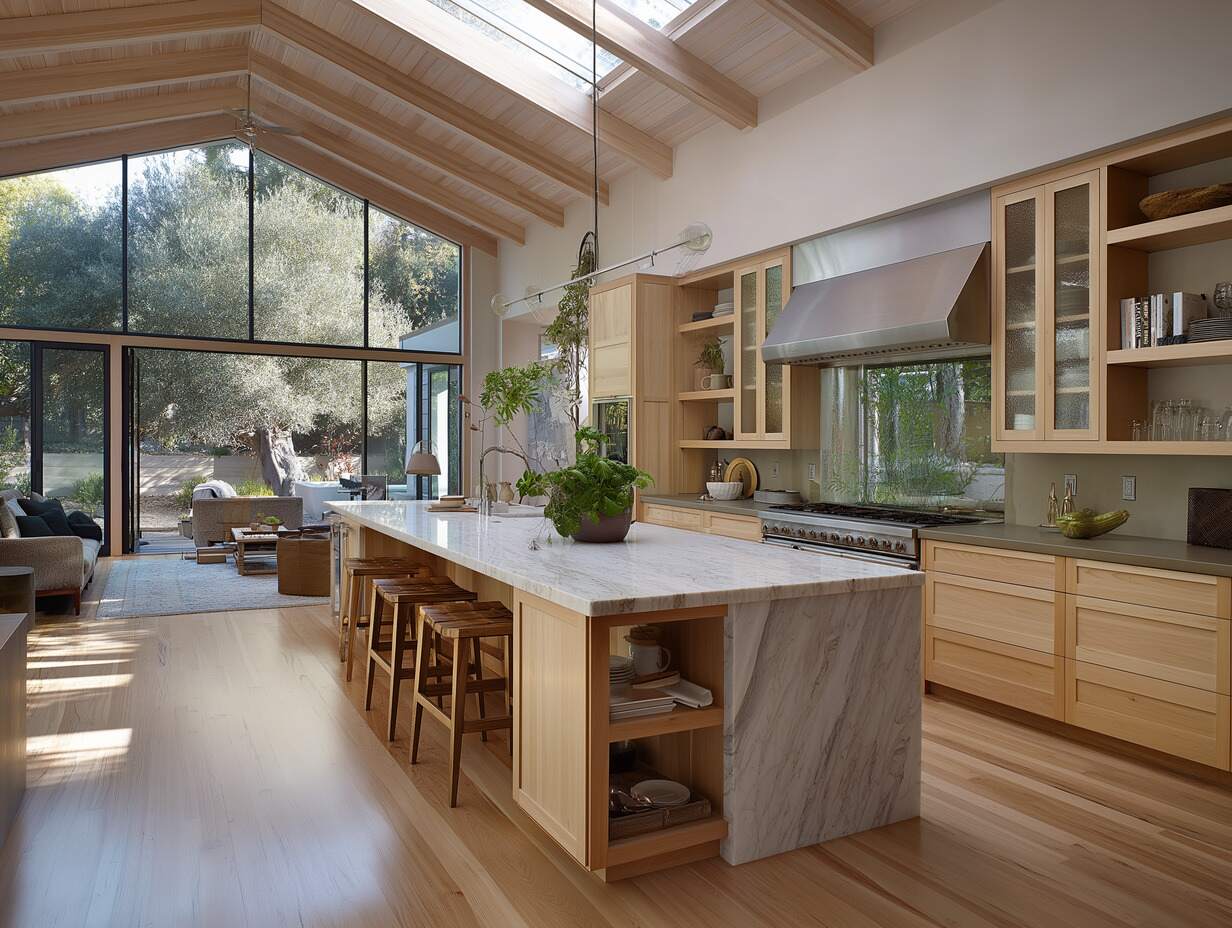
We get asked this more than almost anything else at CabinetDIY. Should I go with unfinished kitchen cabinets or just buy pre-finished? And honestly, it's one of those questions where the right answer looks completely different depending on who's asking.
For one homeowner, unfinished cabinets are the smartest decision they make in their entire renovation. For another, they become three months of frustration and a garage full of doors that never got painted. The difference usually isn't skill. It's expectations.
So before you add anything to your cart, read this first.
What Are Unfinished Kitchen Cabinets?
Simple version: they're fully built cabinets with no paint, stain, or topcoat applied. The box is assembled, the doors are hung or packaged separately, the joinery is solid. What you're getting is raw wood, ready for you to finish however you want.
They are not half-built. They are not of inferior quality. The construction is the same as a pre-finished cabinet from the same manufacturer. The only thing missing is the surface coating, and that's intentional.
At CabinetDIY, our unfinished kitchen cabinets come primarily in birch, oak, and maple. Each species behaves differently under stain and paint, and that matters a lot more than people expect when they're making their finish decision. We'll get into that.
Why Do People Actually Choose Unfinished Cabinets?
After years of working with homeowners on kitchen projects, the reasons cluster pretty consistently around four things.
Price
This is usually the starting point. Unfinished kitchen cabinets run meaningfully less than pre-finished, typically 10 to 30 percent depending on the line and the species. On a full kitchen, that can translate to real money, sometimes several thousand dollars. For someone who's comfortable doing the finish work themselves, that gap is hard to walk away from.
Color control
Pre-finished cabinets give you whatever the manufacturer decided to offer that season. Unfinished cabinets give you every color that's ever existed. Any paint brand, any custom stain, any formula your local paint store can mix. We hear this constantly from customers renovating older homes who need to match a specific wood tone that no pre-finished line comes close to. Unfinished is often the only real solution.
Matching existing woodwork
Related to the above, but worth separating out. If you're working in a home with original trim, built-ins, or flooring that has a distinct finish, pre-finished cabinets almost never match exactly. With unfinished cabinets, you can take a stain sample to a finisher and get something close enough that it actually looks intentional.
The craft of it
Don't underestimate this one. A number of our customers purchase unfinished cabinets because they want full control over the final finish. It's a satisfying process when you're prepared for it, and there's a real sense of ownership in a kitchen you finished yourself. That's a legitimate reason, and it produces great results when the person going in knows what they're doing.
The Full Cost Picture: What the Sticker Price Doesn't Tell You
This is where most guides either go vague or skip ahead. We'd rather just be straight with you.
The cabinets themselves will cost less. That part is true. But finishing them yourself isn't free, and the total cost depends heavily on what path you take.
If you're doing it yourself
For a small kitchen, finishing materials can cost anywhere from $200 to $400. For an average-sized kitchen, expect to spend roughly $300 to $800. Larger kitchens or projects using premium paints, stains, and topcoats can range from $500 to $1,200 or more.
These costs typically include primer, paint or stain, protective topcoat, sandpaper, brushes, rollers, and other basic application supplies. If you prefer a spray-applied finish instead of using brushes or rollers, you'll also need to factor in sprayer rental or equipment costs.
While the exact amount varies from one project to another, unfinished cabinets often remain less expensive than comparable pre-finished cabinets, especially for homeowners willing to invest their own time in the finishing process.
If you're hiring it out
This changes the math significantly. A local painter or finishing contractor can run anywhere from $800 to $2,500 or more for a full kitchen depending on your market, the finish complexity, and how many doors and drawer fronts you have. At that level, the cost advantage over pre-finished gets thin fast. Analyze both figures first to determine whether you're truly ahead.
Time is a cost too
A properly done finish on a full kitchen, including sanding, priming, coats of paint or stain, and a proper topcoat with cure time between coats, takes a minimum of a long weekend for a small kitchen. For larger renovations, factor in one to two weeks of active work spread across more days. If you're managing a household, a job, and a renovation simultaneously, that's a real trade-off.
The honest summary: unfinished cabinets are cost-effective when you do the finish work yourself. When you hire it out, do the actual math for your specific situation before committing.
Who Should Buy Unfinished Kitchen Cabinets and Who Probably Shouldn't
In our experience working across thousands of kitchen projects, this decision usually comes down to a few honest questions.
Unfinished cabinets are likely right for you if:
- You've painted or stained wood before, and you're comfortable with the process
- You need a color or finish that doesn't exist in any pre-finished line
- You're working within a tighter budget and have the time to do the finish work properly
- You're renovating an older home and need to match existing woodwork
- You actually want to do this part yourself, not just tolerate it
Unfinished cabinets are probably not right for you if:
- You need the kitchen done and functional within a specific short window
- You've never finished wood before, and a full kitchen isn't the place you want to learn
- You're planning to hire the finishing out and haven't compared that total cost to pre-finished
- You want the predictability and durability of a factory finish without the variables
We see it happen: someone buys unfinished cabinets fully intending to finish them, and eight months later the doors are still stacked in the garage. Life gets in the way. The kitchen ends up looking half-done longer than anyone planned. It's not a judgment; it's just a pattern we've noticed, and it's worth being honest with yourself about before you decide.
How to Finish Unfinished Kitchen Cabinets: The Steps That Actually Matter
Most buyer's guides stop before this part. We think that's a mistake, because the finishing process is exactly what makes or breaks the whole decision.
Sand before you do anything else
Start at 120-grit to smooth mill marks and open the grain, then come back with 180-grit before you prime or stain. The quality of everything that follows depends almost entirely on this step. Don't rush it.
Decide on paint or stain before you start, not halfway through
They are not interchangeable once you've begun. Paint offers more flexibility and is generally more forgiving on woods with uneven grain. Stain shows the natural character of the wood, which is beautiful when the species is right and patchy when it isn't. Oak under stain looks very different from maple under the same stain. Know what you're working with.
Always prime before painting
Shellac-based primer is what we recommend for wood cabinets. It seals the grain and blocks tannin bleed, which is the yellowish discoloration that works its way through paint on certain species over time. Skipping primer to save time almost always creates more work later.
Thin coats every time
Two or three thin coats of paint or stain will outperform one heavy coat in every way. Heavy coats sag, show brush marks, and take much longer to cure. Thin coats build a smoother, more durable surface.
Apply a topcoat. This is not optional in a kitchen
Kitchens deal with heat, steam, grease, and daily contact. Paint alone will not hold up to that long-term. A water-based polyurethane or conversion varnish applied in at least two coats gives your finish the durability it needs to actually last.
Let everything cure fully before installation
Paint and topcoat feel dry in hours, but full cure is a different thing entirely. Depending on the product, full cure can take 7 to 30 days. Install doors before that, and you risk them bonding to the frame and pulling the finish when you open them. Patience here saves a real headache later.
Unfinished vs. Pre-Finished: The Straightforward Comparison
We carry both at CabinetDIY, which means we have no stake in pushing you one way. Here's how they actually compare.
Unfinished |
Pre-Finished |
|
Upfront cost |
Lower |
Higher |
Color options |
Unlimited |
Manufacturer's range only |
Finish consistency |
Depends on who applies it |
Factory controlled |
Installation timeline |
Longer; finish work comes first |
Ready to install immediately |
Long-term durability |
Variable |
Predictable |
Best suited for |
DIYers, custom colors, budget-focused renovations |
Tighter timelines, guaranteed finish quality |
Neither is the better product in absolute terms. They're built for different buyers.
Mistakes We See People Make With Unfinished Cabinets
Finishing after installation instead of before
The logic of "install first, paint later" makes sense until you're on your knees trying to cut in paint in a corner between two cabinet runs with no room to move. Finish the doors and boxes flat on a workbench before they go up. The result is consistently better.
Skipping the topcoat
The paint looks good, the color is right, it all seems fine. Then six months later the finish near the handles starts wearing through, and the area around the sink starts to chip. A topcoat is not decorative. It's structural protection for the finish you just put weeks of work into.
Picking the wrong species for the finish you want
Birch and maple are the most predictable for painting and for getting an even stain. Oak is gorgeous, but its open grain creates a much more pronounced, rustic texture under stain. If you were expecting something smooth and consistent, oak will surprise you. Know your species before you commit to your finish plan.
Not giving cure time its due
Dry to the touch is not the same as cured. Load your cabinets too soon, hang the doors before full cure, and you'll be dealing with stuck doors, pulled finish, and dings that appear far too easily. Build the cure time into your project timeline from the start.
The Bottom Line
For the right person, our unfinished kitchen cabinets are one of the best decisions you can make in a kitchen renovation. The cost savings are real, the creative control is genuinely unlimited, and the result when done well is a kitchen that feels completely custom because it is.
For the wrong person, they become a project that drags on longer than expected and costs more than anticipated once finishing materials and labor are factored in.
The question worth asking yourself isn't "are unfinished cabinets good?" They are. The question is whether they're right for your timeline, your skill set, and your specific project. If you're not sure, reach out to our team. We've helped enough homeowners work through this decision that we can usually give you a straight answer pretty quickly based on your situation.
Comments
Pinterest CabinetDIY
Latest Blog Posts
12
Oct
0
RTA Cabinets Just Arrived? What to Check Before You Start Building
Inspect your DIY kitchen cabinets for shipping damage, missing parts, finish defects, and sizing errors before assembly begins....
22
Sep
0
How to Measure Your Kitchen Before Ordering DIY Cabinets
Learn how to measure your kitchen for DIY cabinets, from walls and windows to appliances and plumbing, before placing your order....
21
Sep
0
Slim Shaker or Regular Shaker? Here's What You're Actually Choosing Between
Slim shaker cabinets have narrower rails and a larger center panel. See how they compare with regular shaker on style, hardware, and kitchen size....
16
Sep
0
What Color Walls Go With Yellow Kitchen Cabinets?
What color walls go with yellow kitchen cabinets? Explore stylish color combinations and practical tips for creating a bright, balanced kitchen....
14
Sep
0
How to Keep Brown Kitchen Cabinets Looking Rich (Cleaning & Care Tips)
Keep brown kitchen cabinets looking rich with practical cleaning, stain removal, and maintenance tips that protect the finish and extend cabinet life....











Best Sellers
Information
My Account