Your shopping cart is empty!
Bold or Subtle? How to Pull Off a Statement Kitchen Without Regret
Posted By: Eva Times Read: 194
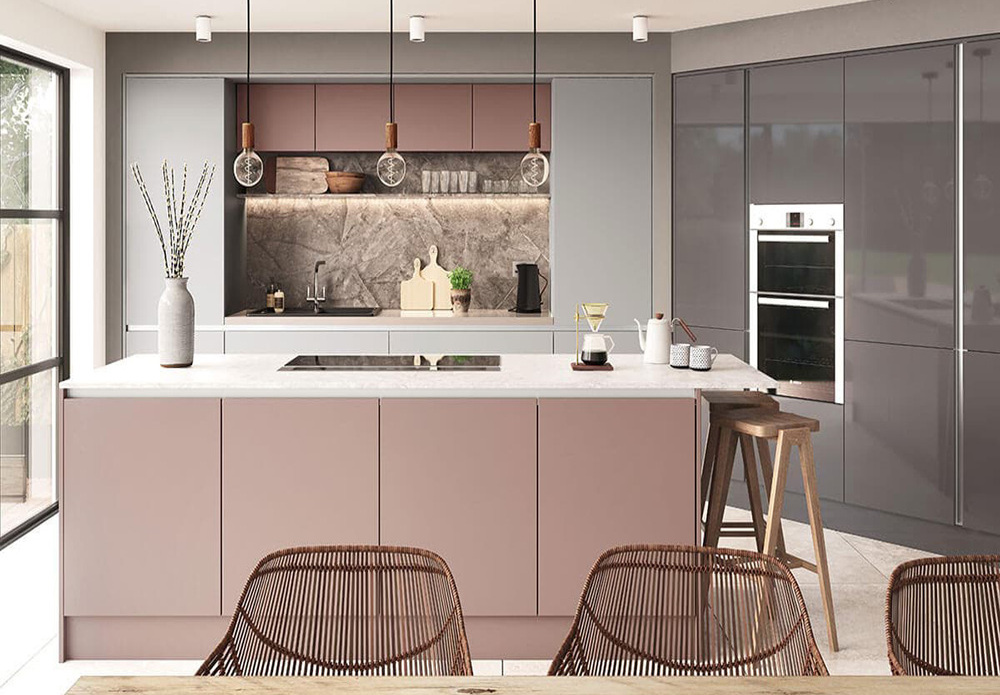
Here's something we've noticed after working with thousands of interior designers and homeowners on their kitchen cabinetry: the kitchens people end up regretting aren't always the bold ones. They're the ones designed without a clear strategy. One viral color or one dramatic finish chosen in isolation can throw off an entire space, and unlike swapping out throw pillows, redoing a kitchen is expensive and disruptive.
That fear is real. Making the wrong design choices is expensive, disruptive, and frustrating. We've written this guide to help you balance bold personality with timeless principles so you can pull off a statement kitchen you'll love for decades.
How Does a Statement-Worthy Kitchen Actually Look Like?
When you hear the phrase 'statement kitchen,' you might instantly think of dramatic colors, luxury finishes, or trend-heavy décor.
In reality, the kitchens that stop people mid-scroll are almost always the ones that are cohesive and intentional, not just dramatic. They rarely rely on extreme design choices alone. A statement-worthy kitchen isn’t necessarily bold or subtle; it’s usually a balanced combination of both.
If you want to create a head-turning yet timeless kitchen, you must pay attention to lighting, material choices, textures, layout, and other relevant aspects. When done correctly, even a well-designed kitchen island, layered lighting, or even soft-toned pink kitchen cabinet designs paired with warm neutrals can help you create a statement kitchen.
How to Design a Statement Kitchen You'll Actually Love Five Years From Now
If you’ve designed a kitchen before or feel completely clueless about how to proceed, the following points can guide you in the right direction.
◈ Keep Permanent Features More Timeless
A useful rule of thumb from professional kitchen designers: spend 70% of your design energy on getting the layout and cabinet selection right. The remaining 30% is where the personality lives — and that 30% is also the part you can change without calling a contractor.
When designing a statement kitchen, you should first consider the permanent, expensive materials. We’re talking about your kitchen’s cabinetry, flooring, countertops, and built-in finishes.
These are the investments that'll outlast three design trends, two kitchen repaints, and at least one "what were we thinking" moment. That doesn't mean they have to be boring; it means they need to be chosen with more intention than your backsplash tile. Your kitchen design choices are the ultimate differentiators in such cases, so choose accordingly.
For example, if you're drawn to the current wave of blush and dusty rose cabinetry, lean into softer, more muted tones like those in our Shaker-style cabinet collection rather than saturated pinks. Pair them with timeless materials, quartz countertops, brass or matte black hardware, warm wood open shelving, and the look stays fresh without feeling costumey.
◈ Add Boldness Through Easier-to-Update Elements
The smartest statement kitchens operate on two tiers. Tier one is your permanent investment: cabinets, countertops, and flooring. Tier two is your personality layer — pendant lights, cabinet hardware, bar stools, open shelving décor, and wall color. Tier two is where you get to take risks, because changing out pendant lights costs a fraction of replacing cabinetry.
All these elements allow homeowners to experiment more freely. This approach creates flexibility because styles and personal preferences naturally evolve over time. It’s also a fairly cost-effective way to keep your kitchen design in line with the evolving design trends.
◈ Think Beyond Social Media Inspiration
Many homeowners turn to kitchen design images posted online for reference. While many images are great for inspiration, they’re also impractical for real-world kitchens. What Instagram doesn't show you is the photographer moving every appliance off the counter, the ring light softening the cabinet color by two shades, and the kitchen that hasn't been cooked in since the shoot.
We’d recommend considering how your kitchen will actually function on a daily basis before finalizing any design. For example, if you’re planning to install the trendy pink kitchen cabinet in your culinary space for a statement-worthy look, evaluate how it will look in your kitchen’s current lighting, the level of maintenance it will require, etc.
This consideration will help you create a gorgeous kitchen that’s beyond beautiful; it’s also practical and highly functional.
◈ Use Contrasts Strategically Instead of Everywhere
If you want to create a statement kitchen, you should avoid overwhelming the space by using contrasts selectively. A few combinations that actually work: pair soft blush cabinets with a deep charcoal or forest green island, contrast matte cabinet finishes with a glossy subway tile backsplash, or let one bold lower cabinet color do the talking against crisp white uppers.
We've seen this approach transform even the most modest kitchen layouts into something that genuinely turns heads. Strategic contrast adds visual depth without making the space feel crowded or chaotic, and it's one of the simplest moves a homeowner can make without touching the budget for new cabinetry. If you’ve decided to add a muted pink kitchen cabinet to your culinary space, pair it with balanced neutral walls, warm wood textures, or subtle metallic accents.
◈ Test Lighting Under Different Lighting Conditions Before Finalizing
This is one of the most common surprises we hear about from customers after installation: the color looked completely different once it was home. The same cabinet shade can shift dramatically depending on your kitchen's light source, and it catches people off guard more than almost any other design variable.
- North-facing kitchens with cool, indirect light tend to make warm pinks look muted and dusty, which can actually be beautiful if that's the effect you want.
- South-facing kitchens with strong natural light will amplify warmth, making blush tones feel almost peachy by midday.
- Kitchens with warm LED or incandescent lighting will pull out the red and orange undertones in pink cabinetry, great for a cozy feel, not ideal if you were going for sophisticated.
Lighting has a major impact on how a kitchen ultimately looks and feels. The same shade can look different under natural daylight, warm artificial lighting, and shadows. It can entirely change the appearance of colors, textures, and finishes throughout the day.
For example, a shade that feels elegant in a showroom may look too harsh, dull, or overwhelming in your kitchen under different light conditions. Hence, you should test color samples on your kitchen walls at different times of the day before finalizing the right shade.
It’s a practical way to create a statement-worthy kitchen that will remain relevant, irrespective of changing design trends.
The Bottom Line
A statement kitchen isn't about going bold or playing it safe; it's about making deliberate choices at every level of the design. Get your permanent features right, use your flexible elements to inject personality, and don't let a trending color scare you away from something you genuinely love. Thankfully, you don’t have to choose between extremes to design a kitchen like this.
We’ve shared some of the best, practical tips to create a statement-worthy kitchen that remains both timeless and trendy. You can follow them to achieve the best results. You’re free to make additional changes as long as they fit your lifestyle and style preferences.
Frequently Asked Questions
How do I design a statement kitchen on a budget?
Focus your budget on the elements that have the most visual impact: cabinetry and lighting. Then use lower-cost updates like cabinet hardware, open shelving, and wall color to build personality around them. You don't need to renovate everything to create a kitchen that turns heads.
How do I make a small kitchen look like a statement kitchen?
In smaller kitchens, contrast does most of the work. One bold cabinet color on a single wall or island, paired with lighter surrounding tones, creates depth without overwhelming the space. Strategic lighting, especially under-cabinet and pendant lighting, also adds dimension that makes a small kitchen feel far more designed.
What are the most timeless kitchen styles?
Shaker-style cabinetry, two-tone color schemes, and kitchens with layered lighting consistently age well. They're flexible enough to absorb small trend updates — new hardware, a fresh wall color — without needing a full renovation every few years.
Are pink kitchen cabinets a good idea?
Pink kitchen cabinets can absolutely work in the right context — the key is in the tone. Muted, dusty rose, and blush shades read closer to a warm neutral and tend to age well. Saturated or bubblegum pinks are the ones that date faster. Pair softer pink cabinetry with warm wood tones, brass or matte black hardware, and neutral walls, and the result feels sophisticated rather than trendy.
Are pink kitchen cabinets going out of style?
Muted, dusty rose, and blush pink cabinets have shown strong staying power compared to other trendy hues because they read as near-neutral in softer tones. The key is avoiding overly saturated or bubblegum shades, which do tend to date faster.
What colors pair best with pink kitchen cabinets?
Warm whites, greige walls, natural oak or walnut wood tones, and matte black or brushed brass hardware all complement pink cabinetry without competing with it. Deep greens and navy also work well for a more dramatic, high-contrast kitchen.
Can I mix pink cabinets with other colors?
Yes, in fact, a two-tone approach often works better than all-pink cabinetry. Try blush upper cabinets paired with a contrasting lower cabinet in a deeper tone, like sage green or charcoal, for a more grounded, editorial look.
Comments
Pinterest CabinetDIY
Latest Blog Posts
12
Oct
0
RTA Cabinets Just Arrived? What to Check Before You Start Building
Inspect your DIY kitchen cabinets for shipping damage, missing parts, finish defects, and sizing errors before assembly begins....
22
Sep
0
How to Measure Your Kitchen Before Ordering DIY Cabinets
Learn how to measure your kitchen for DIY cabinets, from walls and windows to appliances and plumbing, before placing your order....
21
Sep
0
Slim Shaker or Regular Shaker? Here's What You're Actually Choosing Between
Slim shaker cabinets have narrower rails and a larger center panel. See how they compare with regular shaker on style, hardware, and kitchen size....
16
Sep
0
What Color Walls Go With Yellow Kitchen Cabinets?
What color walls go with yellow kitchen cabinets? Explore stylish color combinations and practical tips for creating a bright, balanced kitchen....
14
Sep
0
How to Keep Brown Kitchen Cabinets Looking Rich (Cleaning & Care Tips)
Keep brown kitchen cabinets looking rich with practical cleaning, stain removal, and maintenance tips that protect the finish and extend cabinet life....











Best Sellers
Information
My Account