Your shopping cart is empty!
Oak Kitchen Cabinets: Honey Oak vs White Oak vs Red Oak: Which One Works for Your Kitchen?
Posted By: Eva Times Read: 403
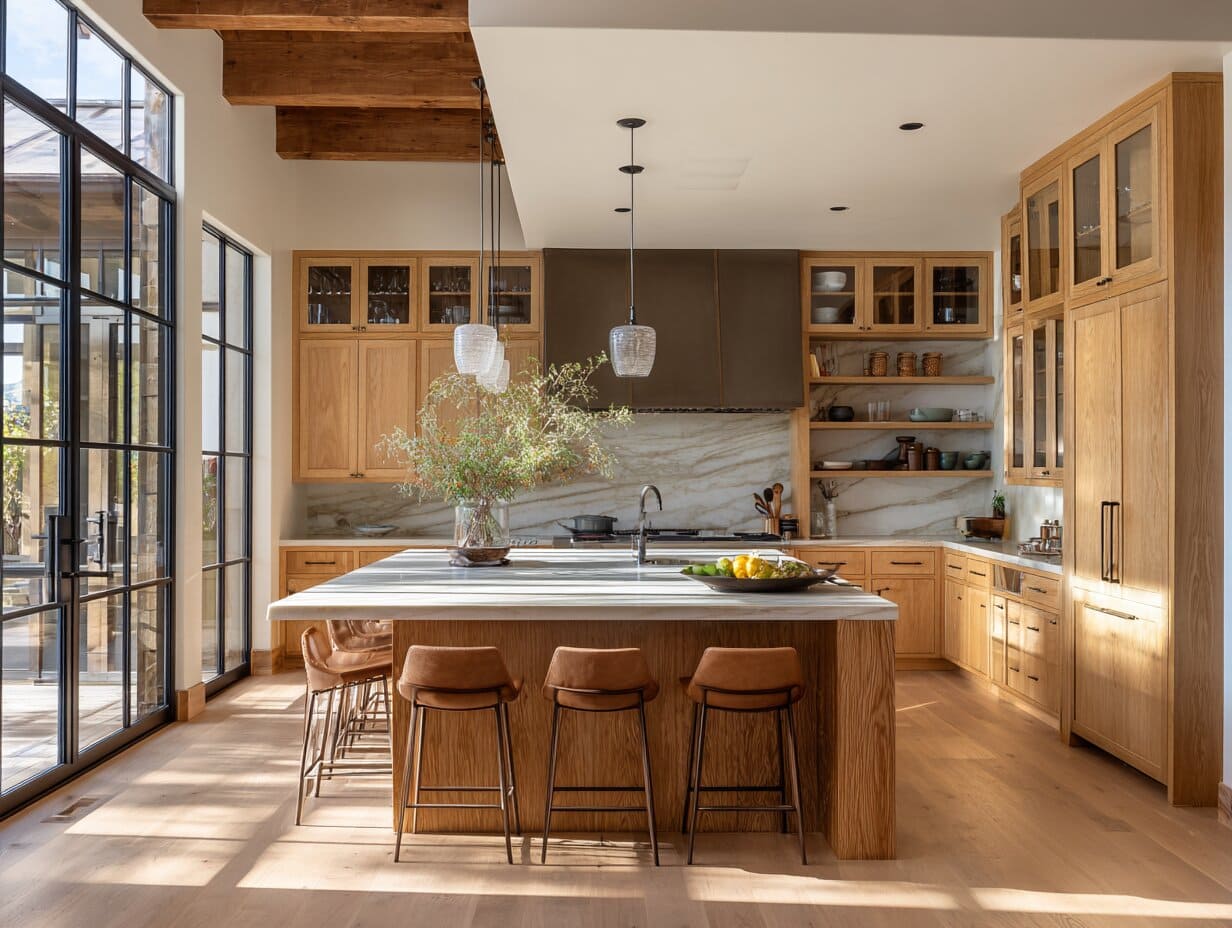
Wood is among the most timeless materials you can incorporate in your kitchen, and as more people choose oak kitchen cabinets, the demand for versatile and long-lasting cabinetry continues to grow.
Sure, people have tons of options to choose from today, but oak stands out for its character and timeless appeal.
However, one of the most common questions that we hear is whether honey oak, white oak, or red oak is the better choice.
As you read through the blog, we will walk you through the key differences so the decision feels a lot simpler by the end, as the answer depends on several factors, such as your budget, design preferences, and the atmosphere you want to create. This guide breaks down the differences between all three so you can make a confident decision.
Why Does an Oak Kitchen Cabinet Remain a Timeless Choice?
Oak has ranked among the most trusted cabinet materials for generations. It scores between 1,220 and 1,360 on the Janka hardness scale depending on the species, which means it resists dents and daily wear better than many softwoods used in budget cabinetry.
Oak kitchen cabinets have become a go-to for many homeowners because they strike the perfect balance between visual appeal and functionality. The grain pattern, open in red oak and tighter in white oak, gives the wood a natural depth that painted MDF cabinets simply cannot replicate. That is why oak continues to appear in both modern and traditionally styled kitchens without feeling out of place.
Honey Oak Kitchen Cabinets
Unlike White Oak and Red Oak, which refer to actual wood species, Honey Oak refers to the iconic golden-toned stain traditionally applied to Red Oak. While this nostalgic look dominated kitchens in the 1980s and ’90s, it is seeing a major resurgence among homeowners craving a warm, cozy, and lived-in farmhouse aesthetic.
Honey oak creates a warm and cozy atmosphere, especially in traditional or farmhouse-style kitchens. It is a good choice for brightening up darker rooms, and it does a great job of hiding minor scratches and everyday wear and tear.
In projects we have worked on, honey oak paired with quartz countertops and brushed nickel or matte black hardware tends to update the overall look without stripping away the warmth that makes the wood appealing in the first place. This combination is one of the more reliable ways to keep a honey oak kitchen feeling current rather than dated.
Best For: People who prefer classic design and a comfortable atmosphere.
White Oak Kitchen Cabinet
White oak cabinets have become one of the most requested cabinets in the past couple of years. The subtle grain pattern and neutral undertones create a clean and refined appearance that perfectly aligns with the design trends today.
White oak is popular with homeowners because it has a look that feels both modern and classic, so it doesn't really go out of style. It is also very versatile when it comes to staining, which makes it easy to get exactly the right color. Characterized by its straight, tight grain pattern and high concentration of natural tannins, white oak is exceptionally resistant to moisture. Because of its muted, neutral undertones, it acts as a design chameleon, blending seamlessly into modern, transitional, and minimalist Scandinavian spaces.
What we have found in practice is that white oak is one of the few species that holds both light and dark stains without the grain fighting the color. That makes it easier to match existing flooring, trim, or countertop finishes during a renovation.
Best For: Homeowners seeking a modern kitchen that will remain stylish for years.
Red Oak Kitchen Cabinet
Red oak kitchen cabinets have been a common choice for kitchen cabinets for a long time. People usually recognize it by its prominent grain and the warm red tones that give it a natural look.
Red oak is one of the more affordable domestic hardwoods used in kitchen cabinetry, and it holds up well in active kitchens. It scores around 1,290 on the Janka hardness scale, which puts it firmly in the durable range for cabinet construction. Its open grain and warm reddish undertones give it a distinctly natural look that is difficult to replicate with stain alone. Because the grain pattern is so bold, it is a great fit for kitchens with a more traditional or rustic feel.
Best For: Homeowners who want their cabinets to showcase the natural beauty of real wood.
Which Oak Kitchen Cabinet Is Best for Your Home?
It’s hard to find a universal answer to this question because every kitchen serves a different purpose.
| Feature | Honey Oak | White Oak | Red Oak |
|---|---|---|---|
| Appearance | Golden and warm | Clean and refined | Rich and bold |
| Grain Pattern | Moderate | Subtle | Pronounced |
| Design Style | Traditional, farmhouse | Modern, transitional | Traditional, rustic |
| Cost | Moderate | Premium | Budget-friendly |
| Design Flexibility | Good | Excellent | Good |
When clients ask which option gives them the most flexibility, white oak is usually the answer because it accepts different stains cleanly and fits into modern, transitional, and Scandinavian kitchen styles without requiring much adjustment. Homeowners who prioritize warmth and comfort tend to lean toward honey oak, while those who want visible wood character and a lower price point often find red oak the right fit.
The right cabinet is the one that fits how you actually use your kitchen and the look you want to live with for the next ten to fifteen years, not just what is trending this season.
Factors to Consider Before Choosing an Oak Kitchen Cabinet
While honey, white, and red oak each have their strengths, the right choice comes down to how you actually plan to use your kitchen day to day.
- Kitchen Style: Think about the overall feel you are working with. Honey oak fits naturally into farmhouse and traditional kitchens, white oak carries well into modern and transitional spaces, and red oak holds its own in craftsman and rustic settings. Your cabinet choice should feel like it belongs, not like it was added as an afterthought.
- Budget: White oak typically sits at a higher price point than red oak, with honey oak falling somewhere in between. Knowing your budget before you start comparing finishes saves time and keeps the decision practical. A higher upfront cost on a durable hardwood often works out better over ten or fifteen years than a cheaper alternative that needs replacing sooner.
- Maintenance: Open-grain species like red oak show scratches and staining more readily than tighter-grained white oak. If your kitchen sees heavy daily use, kids, or pets, that is worth factoring in. A finish with a harder topcoat can help regardless of species, but grain pattern does play a role in how forgiving the surface feels over time.
- Long-Term Design Goals: Trends shift, but a well-chosen wood species stays relevant. If you plan to sell the home within a few years, white oak's broad appeal tends to photograph well and attracts a wider buyer pool. If this is a forever kitchen, choose the species that genuinely reflects how you want the space to feel every morning.
Final Thoughts on Choosing an Oak Kitchen Cabinet
A well-designed kitchen starts with materials that perform as well as they look. Honey oak, white oak, and red oak each bring something different to the table, and none of them is a wrong choice when matched to the right kitchen and the right homeowner.
Over the years, the projects that hold up best visually and structurally are the ones where the homeowner chose the wood species that matched how they actually live in the space, not just how it looked in a showroom. That staying power is also a big part of why oak kitchen cabinets are considered a solid investment by contractors and designers alike, not just homeowners.
By understanding the strengths of each option, you can move forward with confidence knowing that whichever species you choose, oak has the durability, character, and design range to serve your kitchen well for years to come.
Comments
Pinterest CabinetDIY
Latest Blog Posts
12
Oct
0
RTA Cabinets Just Arrived? What to Check Before You Start Building
Inspect your DIY kitchen cabinets for shipping damage, missing parts, finish defects, and sizing errors before assembly begins....
22
Sep
0
How to Measure Your Kitchen Before Ordering DIY Cabinets
Learn how to measure your kitchen for DIY cabinets, from walls and windows to appliances and plumbing, before placing your order....
21
Sep
0
Slim Shaker or Regular Shaker? Here's What You're Actually Choosing Between
Slim shaker cabinets have narrower rails and a larger center panel. See how they compare with regular shaker on style, hardware, and kitchen size....
16
Sep
0
What Color Walls Go With Yellow Kitchen Cabinets?
What color walls go with yellow kitchen cabinets? Explore stylish color combinations and practical tips for creating a bright, balanced kitchen....
14
Sep
0
How to Keep Brown Kitchen Cabinets Looking Rich (Cleaning & Care Tips)
Keep brown kitchen cabinets looking rich with practical cleaning, stain removal, and maintenance tips that protect the finish and extend cabinet life....











Best Sellers
Information
My Account