Your shopping cart is empty!
Why White Kitchen Cabinets Yellow Over Time—And How to Prevent It
Posted By: Eva Times Read: 1207
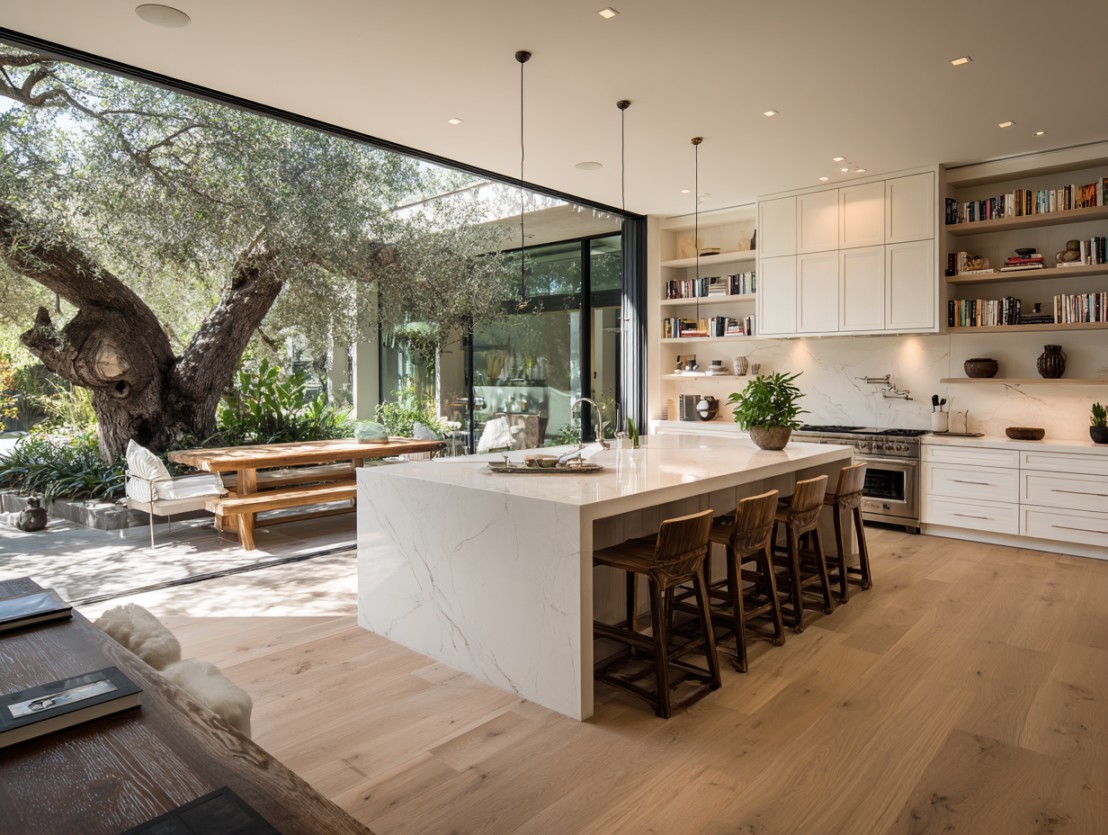
White kitchen cabinets look timeless, but the serene finish has a stubborn enemy.
There is a reason the color white has dominated the world of kitchen cabinets for centuries. A white cabinet makes the atmosphere feel modest, airy, and effortless, but there’s a catch. The finish does not stay intact for years.
Over a span of a few months or years, homeowners watch their elegant cabinets drift into a dull shade, a sort of cream and yellow over time.
Your white cabinet is worth protecting; treat it with the same care you give the rest of your home.
Does this sound familiar?
The yellowing of white cabinets is one of the most common complaints worldwide.
Let’s find out what causes discoloration, which cabinet types are most vulnerable, and how to prevent it.
What Causes White Kitchen Cabinets to Turn Yellow?
Yellowing of white kitchen cabinets is caused by several factors.
Exposure to Sunlight (UV Rays)
The most aggressive cause of discoloration is direct sunlight. UV radiation breaks down the chemical bonds in alkyd-based paints and laminates, causing a process called photo-oxidation. Those surfaces that receive tremendous sun exposure will yellow faster, sometimes within just one or two years.
Materials like older-oil based finishes or thermofoil finishes are sensitive because they usually lack UV compounds in their formulas.
Cooking Residue
Whenever you cook, grease, smoke, and oil vapor drift through the air and settle on cabinet surfaces. With time, these deposits form sticky films that gradually end up tinting your fresh white kitchen cabinets into amber or yellow. This is why kitchen cabinets yellow faster than cabinets in other rooms—cooking consistently pushes airborne grease and smoke into the air around them.
Moisture and Humidity
Boiling water steams, and a dishwasher creates a high ambient humidity. Moisture causes adhesives and certain paints to peel, swell, or crack. The finish, when it degrades, begins to show yellowing beneath the surface. Most of the time, poor ventilation takes this a level higher.
If your kitchen often feels steamy or takes a while to air out after cooking, that's a sign your ventilation isn't doing enough, and your cabinets are absorbing what the air isn't clearing.
Aging of Paint and Materials
Paint oxidizes with time, even without any external stressor. As said, oil-based paints and alkyd are the biggest enemies here, for their resins yellow as they age. Compared to laminate surfaces and medium-density fiberboard (MDF), wooden cabinets are fairly resilient. This happens due to composite materials or adhesives used during manufacturing.
Low-Quality Finishes or Paints
Some factory-applied coatings leave out UV inhibitors to keep manufacturing costs down. This results in a finish that seems identical on the initial day but begins yellowing within months. If your white kitchen cabinet came at a bargain price, the coating may be its weakest link.
Types of White Kitchen Cabinet Finishes and Their Risk Levels
Not all white cabinet finishes yellow at the same rate. Here’s a quick comparison of the most common ones:
| Finish Type | Risk Level | What You Should Know |
|---|---|---|
| Thermofoil | High | Vinyl wrapping reacts to sunlight. Yellowing near the cooking area is common and often appears sooner than expected. |
| Painted | Medium | The outcome depends heavily on paint quality. Water-based acrylic paints resist yellowing significantly better than oil-based alternatives. |
| Laminate | Medium | Generally stays stable. Lower-quality laminates can yellow with prolonged UV exposure, particularly near windows. |
| Solid Wood | Low | Holds colour well with quality paint. Still vulnerable to moisture if not properly sealed—pay attention to areas near the sink and dishwasher. |
How to Prevent White Kitchen Cabinets from Yellowing
Prevention is more effective than restoration. The following strategies can extend the life of your white kitchen cabinet.
Choose the Right Paint or Finish
When you are painting or repainting, always prefer high-quality water-based acrylic or latex paint formulated with UV inhibitors. These elements maintain brightness and resist photo-oxidation longer than alkyd alternatives.
Control Sunlight Exposure
If your kitchen receives direct sunlight, you must consider installing UV-filtering window film. It is affordable, blocks radiation, and is barely visible—best for fading and yellowing. You can also pick sheer curtains or blinds to reduce peak-hour exposure without darkening the room.
Maintain Ventilation Properly
A powerful extractor fan or range hood is non-negotiable in any kitchen where yellowing prevention is a priority. It removes smoke, grease vapor, and steam, preventing them from settling on cabinet surfaces. Make it a habit of running it, not just while cooking, but a few minutes after as well, to clear the air.
Clean Cabinets Regularly
A weekly wipe with mild soap and a soft microfiber cloth prevents grease from building up. As a homeowner, pay extra attention to the cabinets above and beside the hob.
Tip: For safe cleaning, combine one teaspoon of mild dishwashing soap with warm water. To remove more stubborn stains, using a solution combining equal parts vinegar and water (50/50) will quickly and safely dissolve grease without damaging or altering or ruining most finishes. Be sure to rinse the area after cleaning with a clean, damp cloth (for best results) and dry it immediately after.
Avoid Harsh Chemicals
Bleach, all-purpose cleaners, and abrasive cleaners may seem like quick fixes for making a surface look white again, but they do not help and will strip off the finishes, and they accelerate the very discoloration and/or fading that you are trying to prevent in the first place. Stay with pH-neutral (or mildly acidic) cleaners manufactured specifically for cleaning painted surfaces.
What to Do If Your Cabinets Are Already Yellowing
If the yellowing has already set in, prevention tips will only go so far. What you do next depends on the finish type and how far the discoloration has gone.
For painted cabinets, a light sand and a fresh coat of high-quality water-based paint is often enough to restore the look. Make sure to apply a primer first; skipping it is one of the most common reasons paint yellows again quickly.
For thermofoil cabinets, if the vinyl is peeling or bubbling along with the yellowing, repainting is usually more practical than trying to re-adhere the film.
For laminate surfaces, yellowing caused by UV exposure is difficult to reverse without refinishing. A bonding primer followed by acrylic cabinet paint tends to give the most durable result.
In all cases, clean the surface thoroughly with a TSP (trisodium phosphate) substitute before doing any work. Grease and residue left on the surface will prevent paint from bonding properly, and the problem will resurface faster than expected.
Pro Tips to Keep Your Kitchen Looking Bright
Small but consistent habits can impact your cabinet’s longevity. Here is a quick maintenance checklist to pin up for you:
- Wipe cabinet surfaces once every three to four days with a mild solution
- Run the extractor fan during every cooking session and for 5 minutes after
- Perform a deep clean every three months or so
- Check for cracking or peeling sealant annually and touch up as needed
- Dry cabinet surfaces after exposure to the steam
Concluding Note
Yellowing white kitchen cabinets are a nuisance, but they are not permanent. There are several underlying causes, as discussed in this blog—all manageable once you understand them.
All you need to do is invest a little time and choose quality material from the outset. Whenever yellowing does occur, address it early.
A little consistency goes a long way; most yellowing is gradual, which means it's also largely preventable
Comments
Pinterest CabinetDIY
Latest Blog Posts
12
Oct
0
RTA Cabinets Just Arrived? What to Check Before You Start Building
Inspect your DIY kitchen cabinets for shipping damage, missing parts, finish defects, and sizing errors before assembly begins....
22
Sep
0
How to Measure Your Kitchen Before Ordering DIY Cabinets
Learn how to measure your kitchen for DIY cabinets, from walls and windows to appliances and plumbing, before placing your order....
21
Sep
0
Slim Shaker or Regular Shaker? Here's What You're Actually Choosing Between
Slim shaker cabinets have narrower rails and a larger center panel. See how they compare with regular shaker on style, hardware, and kitchen size....
16
Sep
0
What Color Walls Go With Yellow Kitchen Cabinets?
What color walls go with yellow kitchen cabinets? Explore stylish color combinations and practical tips for creating a bright, balanced kitchen....
14
Sep
0
How to Keep Brown Kitchen Cabinets Looking Rich (Cleaning & Care Tips)
Keep brown kitchen cabinets looking rich with practical cleaning, stain removal, and maintenance tips that protect the finish and extend cabinet life....











Best Sellers
Information
My Account