Your shopping cart is empty!
Sage Green Kitchen Cabinets: Why Designers Call It the New Neutral (And How to Use It)
Posted By: Eva Times Read: 1595
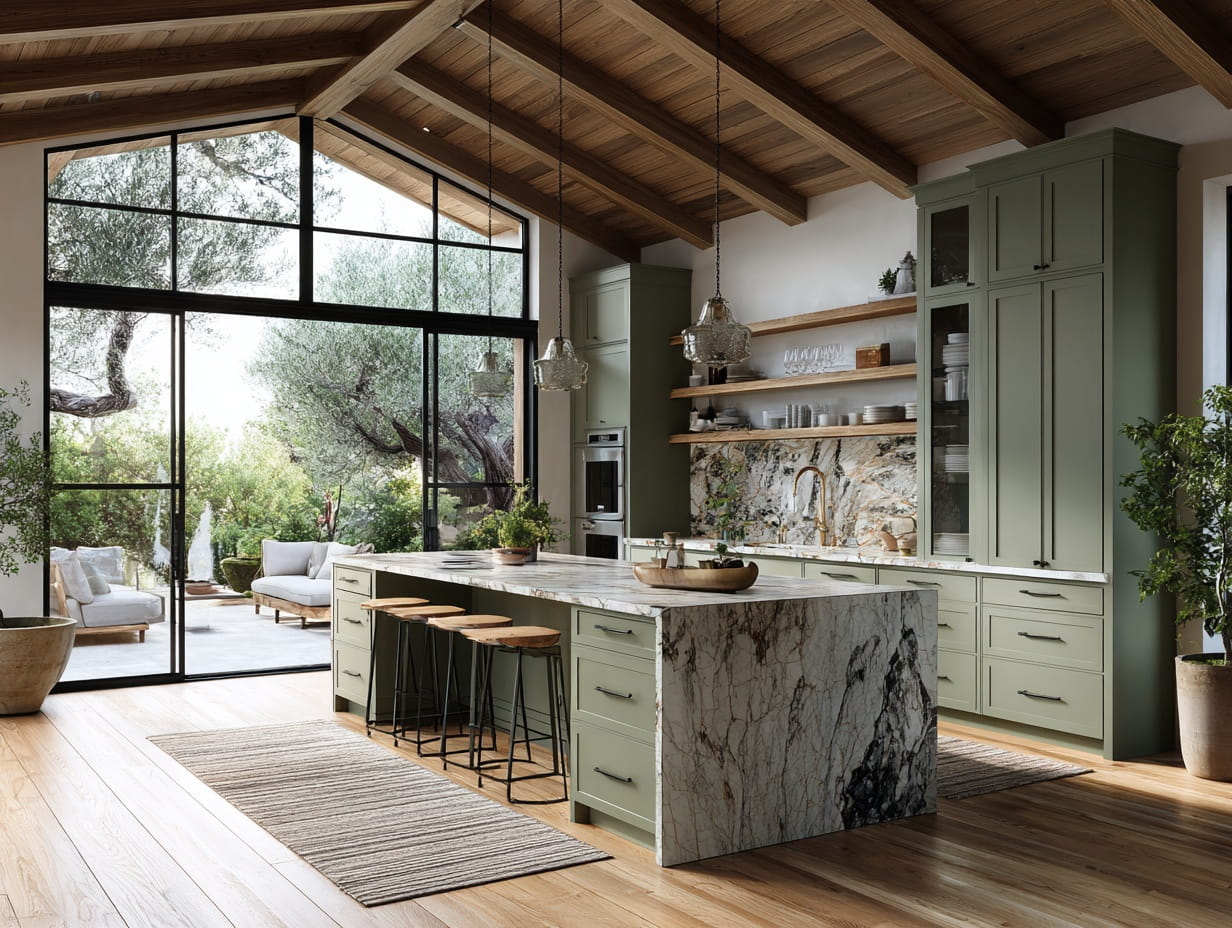
For decades, neutral shades have been the default choice for kitchen design, and for good reason. Safe, timeless, and easy to style, colors like white, grey, beige, and taupe have dominated kitchens across traditional, modern, and transitional styles alike. But in recent years, even the most neutral-loyal homeowners have started reaching for something different.
While they’re still relevant, a new neutral shade is taking over them for all the right reasons. We’re talking about sage green.
Whether you incorporate this shade through a fresh coat of wall paint or by installing sage green kitchen cabinets, you’ll receive the same benefits. If you’re curious why sage green has suddenly become the ‘new neutral’ in kitchen design, read on to find out why.
Sage Green: The New Staple in the Neutral Toolkit
The range of colors available today for kitchen designs is visually endless. However, sage green has emerged as the winner in the neutral category because of its distinct visual appeal.
Sage green sits in a unique middle ground; it's a muted, earthy green with soft grey undertones that keep it from reading as either too bold or too bland. From a color theory standpoint, sage green works as a neutral because of its low saturation and mid-range value, meaning it neither absorbs too much light nor reflects it harshly. This is why it reads calmly in both naturally lit and artificially lit kitchens, unlike more saturated greens that can shift dramatically depending on the light source.
Unlike deep emerald or vibrant lime, sage green doesn't compete with the rest of your kitchen. It settles in, anchors the space, and lets other elements shine alongside it.
Interior designers increasingly favor sage green because it behaves like a true neutral; it pairs cleanly with warm wood tones, cool metals, and natural stone without pulling the palette in any one direction.
Why Are Homeowners Choosing Sage Green for Their Kitchens?
To date, homeowners have preferred all-white kitchens or dual-toned kitchens with a neutral color palette for a sophisticated, elegant look, but things have changed now. There's a growing recognition that stark white and cool grey kitchens, while clean and minimal, can feel clinical, more like a showroom than a home.
Sage green is fast becoming everyone’s choice as it creates a softer, calmer, and lived-in vibe rather than a perfectly staged one. At CabinetDIY, we've worked with thousands of homeowners across kitchen renovation projects, and over the past two years, sage green has consistently been one of the most requested cabinet colors — particularly in transitional and modern kitchen styles. As a homeowner, if you want a kitchen with personality and warmth, incorporate sage green as the primary neutral shade.
Installing sage green kitchen cabinets is one of the most impactful starting points; they cover a significant visual surface area and immediately shift the tone of the entire room. Beyond aesthetics, the right cabinet color can make a kitchen feel larger, lighter, and more cohesive without a full remodel.
Sage Green Brings Nature Into the Kitchen Without Feeling Rustic
A key reason why sage green is quietly securing the title of the ‘new neutral’ is its connection with nature. Sage green draws its visual cues from the natural world; think dried herbs, muted eucalyptus, and weathered stone, which gives kitchens a sense of calm that's hard to manufacture with other colors. Because it sits on the cooler, muted end of the green spectrum, it doesn't overwhelm smaller kitchens the way deeper shades like hunter or forest green might.
The result is a kitchen that feels grounded and calm — warm enough to feel livable, refined enough to feel intentional. It's a balance that works especially well in transitional kitchens, where homeowners want natural warmth without committing to a full farmhouse or country aesthetic.
You Can Pair Sage Green with Any Kitchen Material
Besides its subtle, nature-inspired appearance, sage green has also become the new neutral because of its extreme versatility. Whether your kitchen leans modern, farmhouse, Scandinavian, or transitional, sage green adapts without effort. It's one of the few colors that holds up across wildly different design directions.
Sage green kitchen cabinets, for example, pair naturally with marble and quartz countertops, complement warm brass or gold hardware, and hold their own against cooler matte black fixtures. Even natural stone backsplashes and open wood shelving sit comfortably alongside it. This versatility has made sage green the ultimate neutral shade in modern times.
Sage Green Infuses Color without Feeling Risky
Many homeowners don’t want to take risky interior-related decisions, as it can cost them both money and a sense of satisfaction. If you’re someone who wants to stay in line with interior trends, ensuring your kitchen’s color doesn’t become outdated within a few years, then sage green is a dependable place to start.
Unlike trend-driven colors, navy blue had its moment, glossy black peaked quickly — sage green has shown real staying power. It was present in design forecasts as early as 2020 and continues to appear in top kitchen trend reports through 2025, suggesting it has moved from trend to staple. Instead of dominating the space, sage green maintains a broad appeal.
This broad appeal also matters from a resale perspective. A kitchen that feels current but not overdone is more likely to appeal to prospective buyers, and sage green, given its neutral undertones, is far less polarizing than more saturated color choices. If painting the entire kitchen in a sage green shade seems beyond your budget, you can install a few sage green kitchen cabinets as a cost-effective option.
Frequently Asked Questions About Sage Green Kitchen Cabinets
Are sage green kitchen cabinets a good choice for a small kitchen?
Yes, sage green kitchen cabinets are actually one of the smarter color choices for smaller kitchens. Because sage sits on the muted, cooler end of the green spectrum, it doesn't visually close in a space the way darker or more saturated cabinet colors tend to. Pair them with lighter countertops, open shelving, and good overhead lighting, and sage green cabinets can make a compact kitchen feel more deliberate and open rather than crowded.
Do sage green kitchen cabinets work with oak flooring or oak accents?
They can work beautifully together, but it does require a little planning. Sage green cabinets carry grey undertones, which can sometimes read cool against very orange-toned oak. To bridge the two, look for a sage shade that pulls slightly warmer, and tie the palette together with cream or off-white walls and brass or gold hardware. That combination tends to balance the earthy warmth of oak with the softness of sage green cabinets without either one fighting for attention.
Are sage green kitchen cabinets still a relevant choice in 2026?
More than relevant, sage green kitchen cabinets have moved well past the trend stage, which is actually the best position for a homeowner to be in. Colors that cycle through trend and settle into everyday design language tend to age far better than those that peak and disappear quickly. Sage green began appearing consistently in kitchen design forecasts around 2020 and has held its ground steadily through 2026, suggesting it has earned a place as a modern staple rather than a moment.
What is the difference between sage green and olive green kitchen cabinets?
Both are earthy, muted greens, but they behave quite differently once installed as cabinetry. Sage green kitchen cabinets lean cooler and lighter, with grey undertones that keep the overall feel soft, neutral, and easy to pair. Olive green cabinets pull warmer and deeper, with yellow or brown undertones that create a richer, heavier look. Sage green tends to adapt across more kitchen styles and lighting conditions, while olive green makes a stronger visual statement and works best in kitchens with ample natural light and warm-toned materials throughout.
What hardware finish works best with sage green kitchen cabinets?
Brass and unlacquered gold are the most popular hardware choices with sage green kitchen cabinets right now — the warmth of the metal plays naturally against the cool softness of the green. Brushed nickel is a cleaner, more understated option for modern or Scandinavian-style kitchens. If you want a stronger contrast and a more graphic look, matte black hardware against sage green cabinets creates a striking but balanced combination that works particularly well in transitional kitchens.
Conclusion
Neutrals have long served as a safe choice for kitchen design. However, both homeowners and designers are now exploring a wider range of shades that offer the versatility of old neutrals and the personality of modern hues. It is precisely what sage green offers.
Sage green has earned its place in the neutral toolkit not by being loud, but by being reliable; warm without being heavy, versatile without being forgettable, and current without being trendy. Whether you start with a full cabinet overhaul or a simple paint refresh, it's a color that tends to stay.
Comments
Pinterest CabinetDIY
Latest Blog Posts
12
Oct
0
RTA Cabinets Just Arrived? What to Check Before You Start Building
Inspect your DIY kitchen cabinets for shipping damage, missing parts, finish defects, and sizing errors before assembly begins....
22
Sep
0
How to Measure Your Kitchen Before Ordering DIY Cabinets
Learn how to measure your kitchen for DIY cabinets, from walls and windows to appliances and plumbing, before placing your order....
21
Sep
0
Slim Shaker or Regular Shaker? Here's What You're Actually Choosing Between
Slim shaker cabinets have narrower rails and a larger center panel. See how they compare with regular shaker on style, hardware, and kitchen size....
16
Sep
0
What Color Walls Go With Yellow Kitchen Cabinets?
What color walls go with yellow kitchen cabinets? Explore stylish color combinations and practical tips for creating a bright, balanced kitchen....
14
Sep
0
How to Keep Brown Kitchen Cabinets Looking Rich (Cleaning & Care Tips)
Keep brown kitchen cabinets looking rich with practical cleaning, stain removal, and maintenance tips that protect the finish and extend cabinet life....











Best Sellers
Information
My Account