Your shopping cart is empty!
Should You Choose Light or Dark Kitchen Cabinets? Everything You Need to Know
Posted By: Eva Times Read: 877
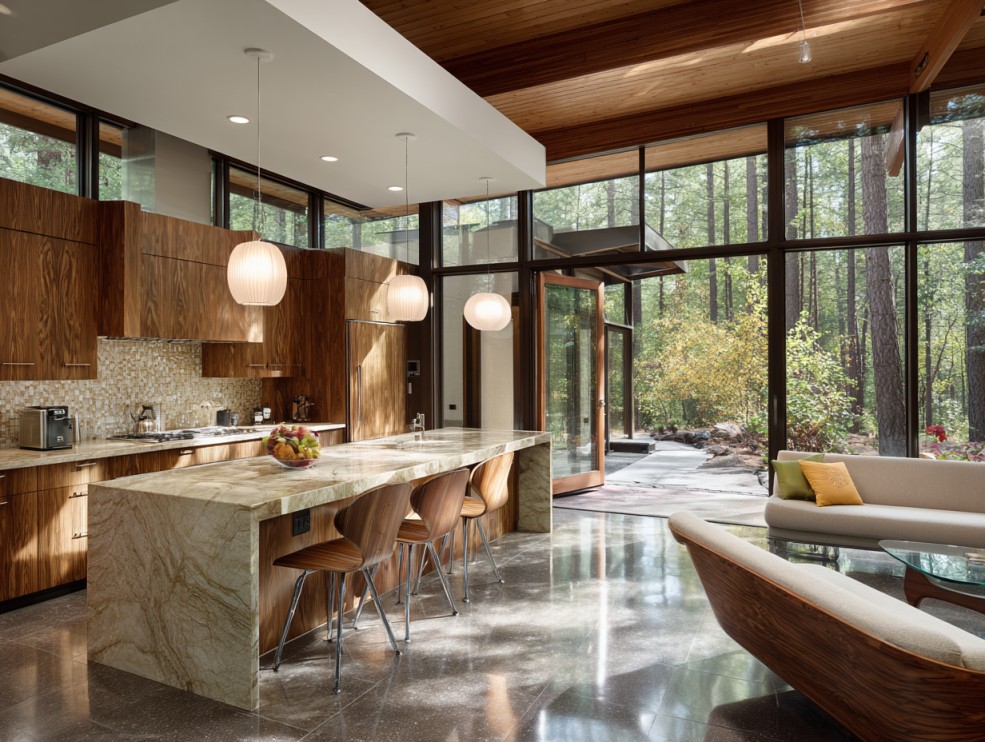
Designing your kitchen is one of the most impactful decisions you'll make. It shapes the overall feel of your home and affects how you use the space every single day. Among all the choices you'll face, cabinet color is one of the most defining ones. It shapes how roomy your kitchen feels, how easy it is to clean, and even the mood you get when you walk in.
And unlike a coat of paint on the walls, cabinets are a bigger investment to change, so it's worth getting this decision right from the start.
Lots of folks get stuck on the light versus dark cabinets question. Your kitchen's size, natural light, how much you cook, and your long-term plans for the home all play a role in making the right call. Let's break it all down so you can make the choice that suits your home.
Light vs Dark Kitchen Cabinets: What's the Real Difference?
Before diving into the color debate, it helps to understand what your cabinets are actually made of, as material and finish go hand in hand. High-quality kitchen cabinets are typically constructed with a sturdy plywood box paired with solid wood face frames and doors. However, if you are leaning toward a crisp painted finish, doors made from HDF (High-Density Fiberboard) or MDF are often the smartest choice, as they resist the temperature warping that can cause paint joints to crack over time.
Alternatively, many homeowners skip solid paint altogether and opt for natural wood kitchen cabinets, letting the organic grain, texture, and tone take center stage. Here is why this matters for the light versus dark debate: natural wood spans the entire spectrum.
On the lighter end, species like maple, birch, and white oak keep a kitchen feeling open and airy, offering warmth without the clinical starkness of painted white.
On the darker end, finishes like hickory, cinnamon-stained oak, and whiskey oak bring a level of depth and richness that rivals painted dark cabinets, but with far more character.
When you are weighing your options, remember that wood tones do not sit outside the light-to-dark conversation; they exist across the entire range. While light cabinets (like white, cream, or pale birch) reflect light to make a room feel expansive, dark cabinets (like charcoal, navy, or deep espresso) absorb it to create a bolder, more grounded mood. Neither is objectively better. The right choice ultimately comes down to your layout, your lighting, and how your household uses the space.
Light Kitchen Cabinets: Fresh, Open, Easy to Style
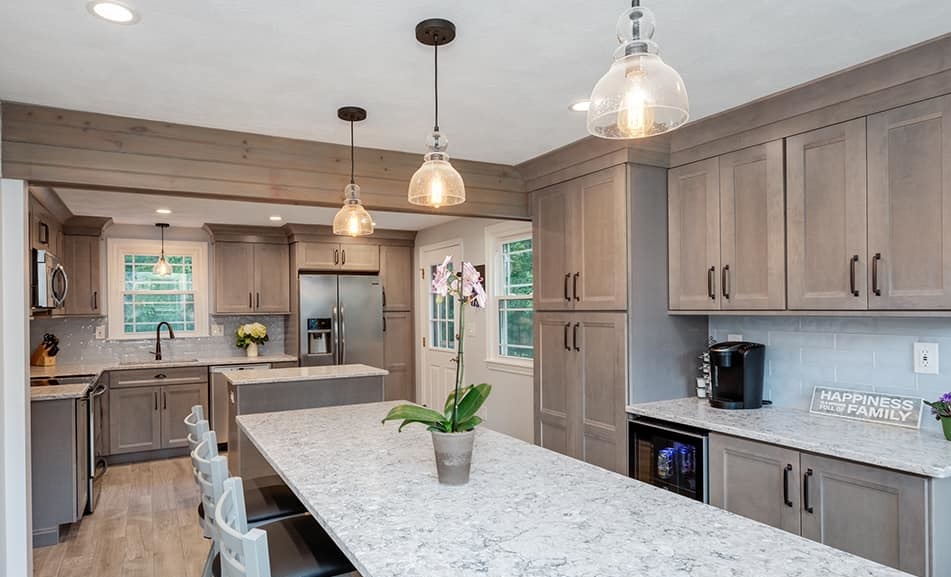
Light-colored cabinets have long been a popular choice for homeowners. They look clean and open, and feel right at home in modern or smaller spaces.
Advantages of Light Cabinets
1. Make Your Kitchen Look Bigger
Light cabinets reflect light, so everything feels wider and brighter. This is especially useful in smaller kitchens where you want to avoid the space feeling boxed in.
2. Boost the Brightness
If your kitchen doesn't get much natural light, lighter cabinets can help compensate and make the space feel noticeably more open. It won't replace a window, but it makes a real difference in how the room feels day to day.
3. Classic and Safe
It's tough to go wrong with light cabinets. They're timeless and appeal to a wide range of tastes, which can work in your favor if you ever plan to sell your home.
4. Simple to Decorate
You can get creative with backsplashes, countertops, and accessories because the cabinets don't compete for attention. Natural wood kitchen cabinets in lighter tones, like oak or maple, work especially well here. They bring warmth and grain texture that painted white or cream cabinets don't have, while still keeping the space feeling open and easy to style around.
Drawbacks of Light Cabinets
They show fingerprints, smudges, and cooking residue more readily, so expect to clean more often. And without thoughtful styling, an all-light kitchen can start to feel a little flat or clinical.
Dark Kitchen Cabinets: Bold, Dramatic, Full of Personality
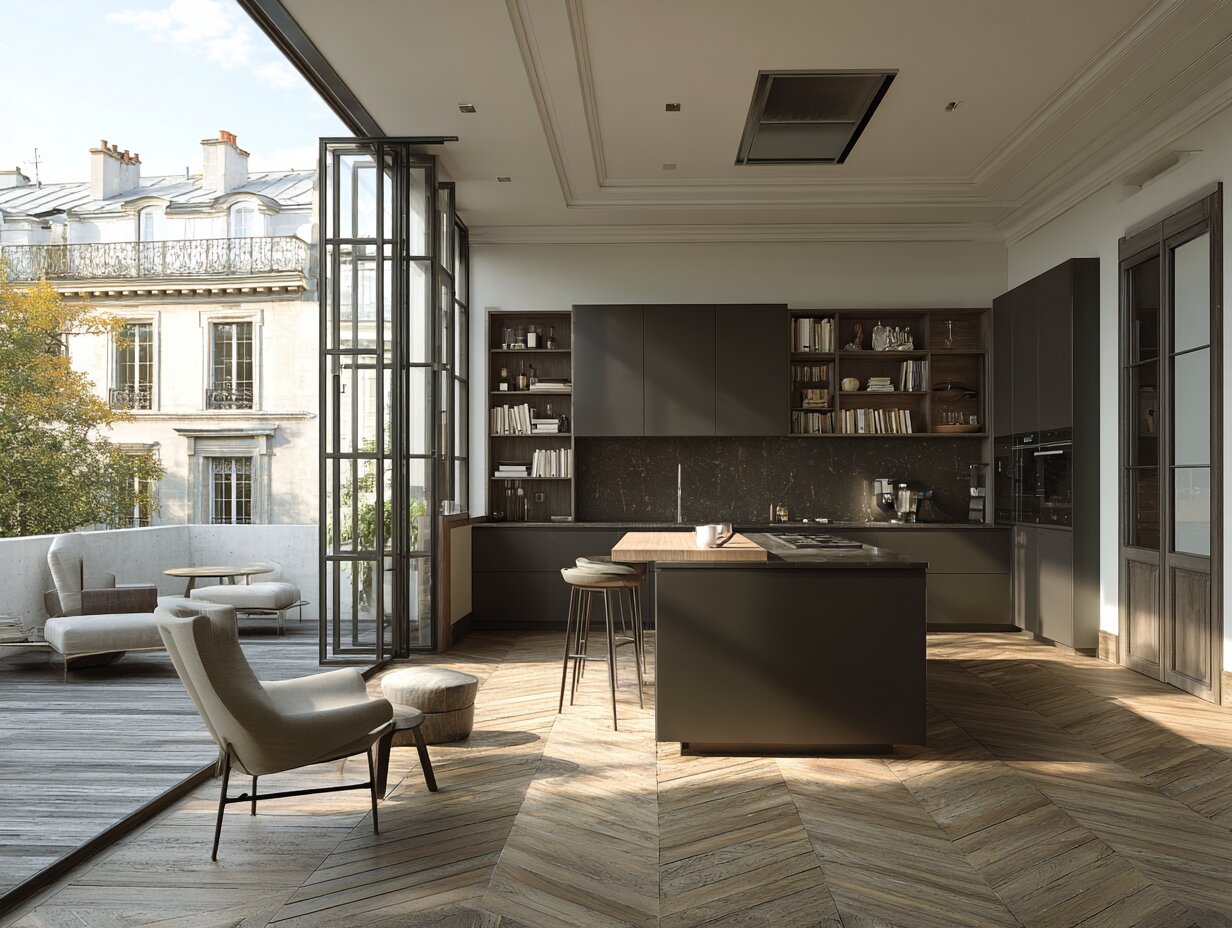
Dark cabinets dial up the drama. They look rich and elegant, and are well-suited to larger kitchens where the goal is a more luxurious, intentional feel.
Advantages of Dark Cabinets
1. Elegant and Luxe
Dark tones carry an inherently upscale quality. They make a kitchen look considered and well-designed without needing a lot of extra decorating around it.
2. Hide Flaws
Darker finishes are more forgiving than light ones. They don't show every smudge, grease mark, or minor scratch, which makes them a practical choice for busy kitchens.
3. Make a Statement
Dark cabinets naturally draw the eye and act as a focal point, giving the kitchen a strong visual identity even in a simple layout.
4. Cozy Up Big Kitchens
In a large kitchen, dark cabinets help anchor the space so it doesn't feel empty or unfinished. Darker natural wood tones like walnut or hickory can do the same job with a bit more warmth. They ground a large kitchen without making it feel as stark as painted black or charcoal cabinets sometimes can.
Drawbacks of Dark Cabinets
Smaller kitchens can feel cramped with dark cabinets, and without good lighting, the space can quickly feel gloomy. If you love the warmth of wood but are working with a smaller kitchen, a lighter wood tone is a smarter fit. Oak or birch gives you that natural character without weighing the space down.
What Should You Think About Before Deciding?
Picking the right cabinet color isn't just about what catches your eye. A few practical factors matter just as much.
1. Kitchen Size
In a smaller kitchen, lighter cabinets or a pale wood tone will help the space feel more open. In a larger kitchen, darker cabinets or deeper wood tones can keep things from feeling sparse and unanchored.
2. Lighting
If your kitchen doesn't get much sunlight, stick with light cabinets or a medium-toned wood to keep things feeling bright. If you get solid natural light through most of the day, dark cabinets can look rich and striking rather than heavy.
3. Lifestyle and Upkeep
If you cook frequently and want a kitchen that doesn't show every mark, darker finishes and wood grain are more forgiving. If you prefer a crisp, clean look and don't mind wiping things down regularly, light cabinets are a good fit.
4. Style Preferences
For a minimal or modern kitchen, light cabinets or a pale wood like birch or ash tend to work well. For something bolder and more luxurious, dark cabinets make a strong case. If warmth and a natural feel are the priority, a wood tone sits right in the middle of both worlds.
5. Resale Value
Light cabinets tend to appeal to a broader range of buyers, making them the safer choice if resale is on your mind. That said, kitchens with natural wood cabinets have strong appeal too. They feel timeless in a way that trendy colors often don't, and they tend to photograph well, which matters more than people expect when selling a home.
Mixing Light and Dark: Why Not Both?
You don't have to commit to just one. Two-tone kitchens have become a genuinely popular approach because they add visual depth while keeping things balanced.
Light on Top, Dark on Bottom
This is the most classic two-tone setup. Light uppers keep the kitchen feeling open while dark lowers ground the space. If you want to bring in some natural warmth, a lighter wood like oak or maple on the uppers works just as well as painted cabinets and adds a bit of texture that paint can't replicate.
Dark Cabinets, Light Countertops
Pairing dark cabinets with a lighter countertop keeps the contrast clean and stops the lower half of the kitchen from feeling too heavy. If your lowers are a deep wood tone like walnut or hickory, a white or light stone countertop does the same job while letting the natural grain of the wood stay the focal point.
Why It Works
The beauty of mixing tones is that each choice balances the other out. The lighter elements keep the space feeling open, the darker ones give it weight and character, and when wood is part of the mix, it adds a warmth that softens the whole contrast and makes the result feel more natural and lived-in rather than stark.
You get the best of both worlds, and your kitchen feels uniquely yours.
Making the Right Choice for Your Kitchen
There is no universally right answer when choosing between light and dark cabinets. The options available today mean you can achieve exactly the mood you want.
For a clean, uniform look, many people choose smooth painted finishes, like crisp white for a bright space or deep charcoal for a dramatic one.
However, some people want more warmth and texture than a solid paint color can provide, which is why they opt for natural wood kitchen cabinets. If you are leaning toward a lighter kitchen, species such as pale maple, birch, or white oak are excellent choices that keep the room feeling open and airy. And the exact same principle applies to darker designs—rich woods like walnut, espresso-stained oak, or deep hickory deliver the same moody elegance as a dark paint, but with beautiful, organic grain.
Ultimately, base your choice on your kitchen's layout, your daily lighting, and your household's lifestyle. Trends come and go, but a decision grounded in quality materials and how your kitchen actually works for you will look beautiful for decades.
Comments
Pinterest CabinetDIY
Latest Blog Posts
12
Oct
0
RTA Cabinets Just Arrived? What to Check Before You Start Building
Inspect your DIY kitchen cabinets for shipping damage, missing parts, finish defects, and sizing errors before assembly begins....
22
Sep
0
How to Measure Your Kitchen Before Ordering DIY Cabinets
Learn how to measure your kitchen for DIY cabinets, from walls and windows to appliances and plumbing, before placing your order....
21
Sep
0
Slim Shaker or Regular Shaker? Here's What You're Actually Choosing Between
Slim shaker cabinets have narrower rails and a larger center panel. See how they compare with regular shaker on style, hardware, and kitchen size....
16
Sep
0
What Color Walls Go With Yellow Kitchen Cabinets?
What color walls go with yellow kitchen cabinets? Explore stylish color combinations and practical tips for creating a bright, balanced kitchen....
14
Sep
0
How to Keep Brown Kitchen Cabinets Looking Rich (Cleaning & Care Tips)
Keep brown kitchen cabinets looking rich with practical cleaning, stain removal, and maintenance tips that protect the finish and extend cabinet life....











Best Sellers
Information
My Account