Your shopping cart is empty!
Modern Kitchen Cabinets vs Traditional Cabinets: Key Differences
Posted By: Eva Times Read: 354
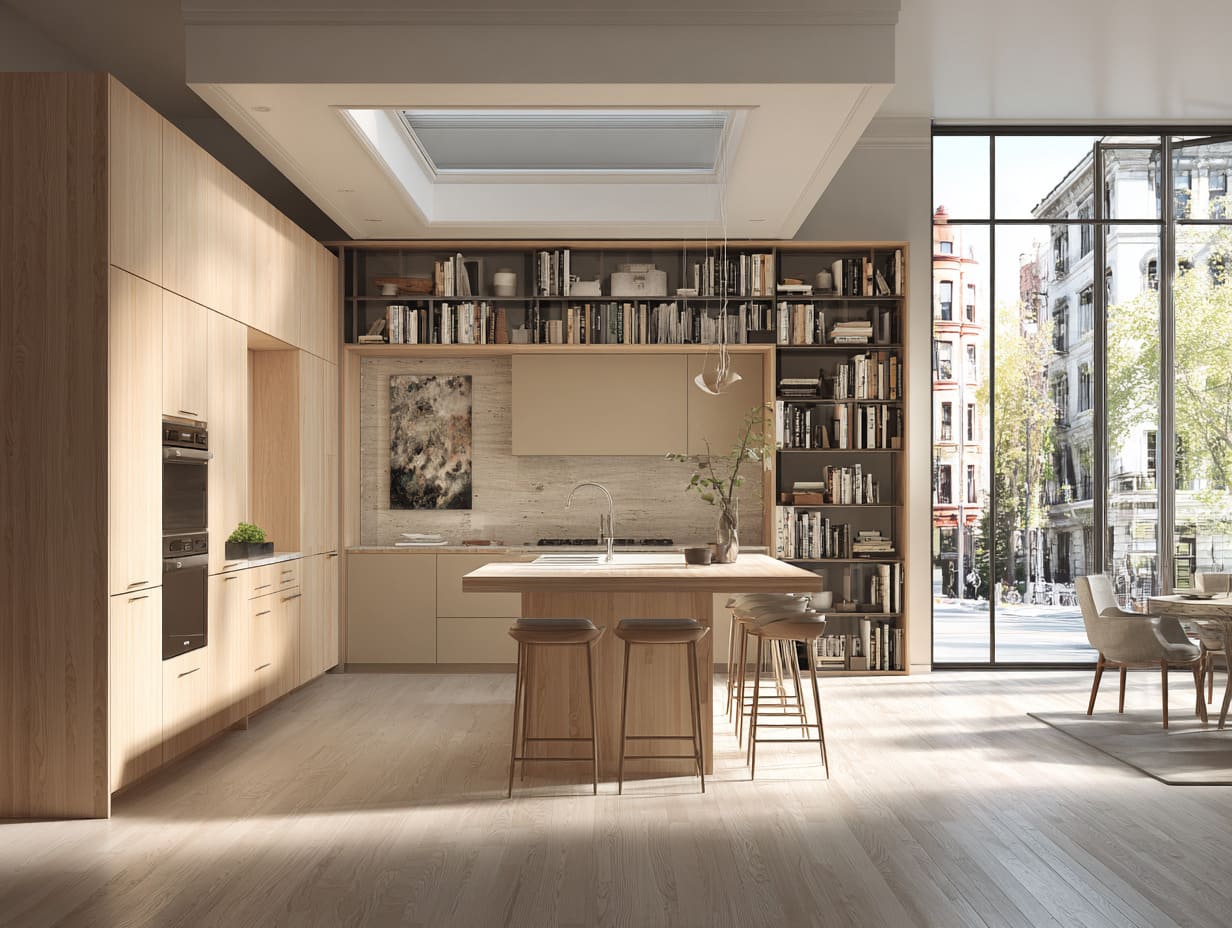
Any kitchen remodel conversation eventually circles back to one decision: what cabinets should you choose?
Since they occupy the most visual space in all kitchens, your choice of cabinetry will largely influence how your kitchen looks, feels, and functions.
Most homeowners find themselves torn between traditional and modern kitchen cabinets, and it's rarely a simple call. As a homeowner, you have to choose cabinetry that not only improves your kitchen’s visual appearance but also improves its functionality and is easier to maintain over time.
To make that choice a little easier, here's a breakdown of the key differences between modern and traditional kitchen cabinets — covering everything from aesthetics to upkeep. You can use this information to decide which cabinetry will be a better choice for your particular kitchen.
Key Differences Between Traditional and Modern Kitchen Cabinets
Although both traditional and modern kitchen cabinets serve the same purpose, they differ in numerous ways. Here’s a list of their key differences.
1. Visual Feel and Space Perception
Raised panels, moldings, and decorative elements are usually the most common defining factors of traditional kitchen cabinets. These details make them appear visually heavy yet artistic. Although these details can make kitchens feel warm and inviting, they can also add visual density.
If you have a smaller kitchen, this visual weight can make the space feel more closed-in than you'd like. Modern kitchen cabinets, on the other hand, are defined by clean lines, flat surfaces, and minimal detailing.
These cabinets are driven by simplicity, which naturally creates a sense of openness. Hence, even compact kitchens may start to appear more spacious and visually lighter. This matters most in kitchens under 150 sq ft, where visual weight from ornate detailing can make the space feel noticeably cramped — a practical concern, not just an aesthetic one.
2. Cabinet Construction and Scope of Modification
Most modern kitchen cabinets are designed with a modular approach in mind. They’re built with precision and uniformity in controlled settings. It’s a key reason why you’ll find consistent finishes and clean alignment across all modern cabinet designs. If you plan to make future adjustments to these cabinets, you can simply swap a few cabinet pieces for easier modifications.
One factor that often goes overlooked in this comparison is assembly. Modern cabinets, particularly RTA (Ready-to-Assemble) styles, are designed so that homeowners can install them without professional help.
RTA cabinets typically arrive flat-packed with pre-drilled holes, numbered components, and step-by-step assembly guides — making them accessible even for homeowners with minimal DIY experience. Tools required are usually limited to a rubber mallet, screwdriver, and measuring tape.
Traditional cabinet designs, on the other hand, typically require more specialized installation due to their detailed construction.
If you compare them against traditional cabinets, you’ll notice that traditional cabinet designs stand out for their framed construction and detailed craftsmanship. Since traditional cabinets are built with greater detail and are usually crafted piece by piece, making future modifications to them might require far more time and effort.
It can also require more investment than customizing modern cabinets. If easier future modifications are a priority for you, modern cabinets are the more practical path. That said, if you value consistent, proven craftsmanship and don't anticipate frequent changes, traditional cabinets hold up well on that front, too.
3. Ease of Cleaning
Most cabinets look great when they're first installed — it's with daily use over time that the differences in maintenance really start to show. Hence, you should choose cabinets that are easier to maintain and can retain their original aesthetics with minimal cleaning. If you compare traditional and modern kitchen cabinets for ease of cleaning, modern cabinets will emerge as the clear winner.
They feature smooth, flat surfaces that are easier to clean. The absence of grooves in modern cabinets means there are far fewer places for dust and grease to accumulate. Compare it to any traditional cabinet design, and you’ll find plenty of carved detailing and layered surfaces.
Cleaning these spots will demand extra time and effort, making traditional cabinets an impractical choice for busy homeowners. However, you can still choose traditional cabinets if you’re willing to put in the additional cleaning efforts.
For modern cabinets, a weekly wipe-down with a damp microfiber cloth and mild dish soap is typically all that's needed. Traditional cabinets benefit from a soft-bristle brush to reach into carved detailing, along with a wood-safe degreaser applied monthly in high-use areas near the stove.
4. Design Longevity
Most homeowners don’t make frequent cabinet changes, especially when they have a limited budget. If you’re also planning to choose your kitchen’s cabinetry, keeping the long-term vision in mind, it’s wiser to compare modern and traditional kitchen cabinets based on their design longevity.
Modern cabinet designs usually align with modern trends. For instance, the all-white handleless cabinet trend that dominated kitchens through the early 2020s has already started giving way to warmer tones and textured finishes — a reminder that even "modern" can date itself. Traditional cabinets enjoy a competitive edge here. Since they’re rooted in classic design principles, they maintain a consistent visual identity over time.
They’re least affected by short-term trends, but they might feel overly formal and heavy if not balanced well. Hence, make your choice accordingly.
5. Cost Considerations
In general, modern RTA cabinets tend to be more budget-friendly upfront due to their standardized manufacturing process. Traditional cabinets, with their custom craftsmanship and intricate detailing, often carry a higher price point — though the range varies widely based on wood species, finish, and hardware choices. If you're working within a defined budget, factoring in both the purchase cost and long-term maintenance expenses will give you a more complete picture of the true investment.
What do these differences mean in Practice?
If you go through all these key differences between traditional and modern kitchen cabinets, you’ll realize that the cabinetry choice shouldn’t be based on style alone. Cabinets are usually a long-term investment, which is why you should also consider ease of maintenance, customization options, and other key factors. Your kitchen size and personal preferences also deserve equal importance.
It's also worth considering the materials behind the cabinet style. At CabinetDIY, for example, both modern and traditional options are built with solid wood doors and plywood boxes, which are notably more durable than the particle board used in many mass-market cabinets. Regardless of which style you choose, the material quality underneath will determine how well your cabinets hold up over the years.
Final Thoughts
Choosing between modern and traditional kitchen cabinets might seem like a style decision, but there's more to it than that. You can easily find visually appealing designs in both traditional and modern cabinet categories, but the right selection is rarely based on design alone.
If you want your kitchen to look a certain way and not be affected by fleeting trends, choose between traditional and modern kitchen cabinets after evaluating each against the factors listed in this blog.
As a simple starting point: if you have a smaller kitchen, prefer easy upkeep, or want flexibility to update in the future, modern cabinets are likely your better fit. If you value enduring craftsmanship, a warm aesthetic, and don't plan to remodel again anytime soon, traditional cabinets will serve you well for decades. Either way, prioritizing material quality over style alone is always the smarter long-term decision.
Comments
Pinterest CabinetDIY
Latest Blog Posts
12
Oct
0
RTA Cabinets Just Arrived? What to Check Before You Start Building
Inspect your DIY kitchen cabinets for shipping damage, missing parts, finish defects, and sizing errors before assembly begins....
22
Sep
0
How to Measure Your Kitchen Before Ordering DIY Cabinets
Learn how to measure your kitchen for DIY cabinets, from walls and windows to appliances and plumbing, before placing your order....
21
Sep
0
Slim Shaker or Regular Shaker? Here's What You're Actually Choosing Between
Slim shaker cabinets have narrower rails and a larger center panel. See how they compare with regular shaker on style, hardware, and kitchen size....
16
Sep
0
What Color Walls Go With Yellow Kitchen Cabinets?
What color walls go with yellow kitchen cabinets? Explore stylish color combinations and practical tips for creating a bright, balanced kitchen....
14
Sep
0
How to Keep Brown Kitchen Cabinets Looking Rich (Cleaning & Care Tips)
Keep brown kitchen cabinets looking rich with practical cleaning, stain removal, and maintenance tips that protect the finish and extend cabinet life....











Best Sellers
Information
My Account