Your shopping cart is empty!
What Is the Difference Between a Modern and a Contemporary Kitchen?
Posted By: Eva Times Read: 6
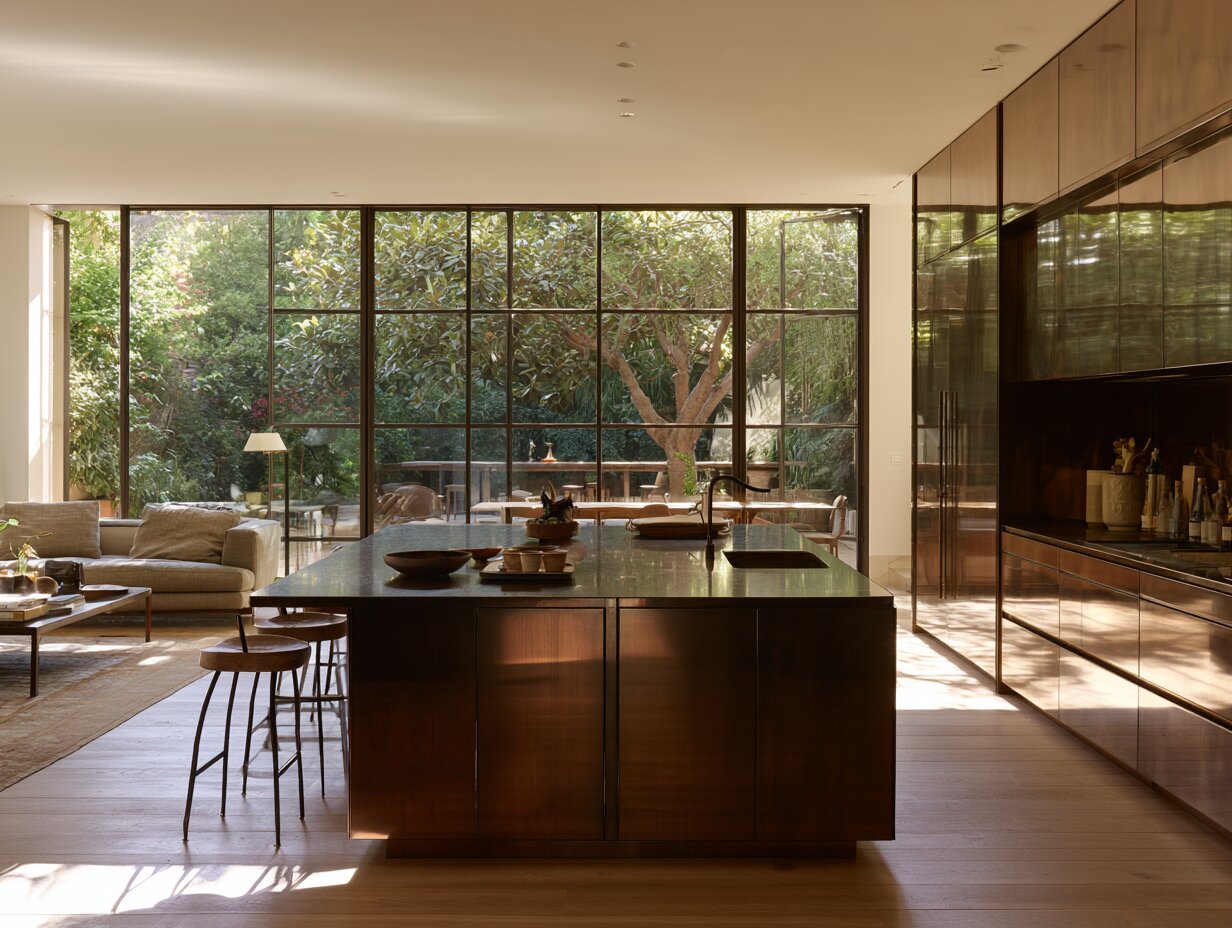
Getting your kitchen renovated can become one of the most demanding projects you ever take on. Most of the stress doesn’t come from the work itself. It comes from the sheer number of kitchen styles that look almost the same, which can leave homeowners stuck in analysis paralysis.
We see this all the time when people reach out to the team at CabinetDIY. The terms “modern” and “contemporary” are often used as if they mean the same thing, so homeowners struggle to work out which style is right for them.
That’s why we’ve put together this guide. It explains the difference between a modern and a contemporary kitchen, shows how each style affects your cabinet choice, and helps you decide which one suits your home.
Modern and Contemporary Kitchen: Basic Fundamentals
A modern kitchen draws inspiration from the modernist design movement, which took shape in the 1920s and continued through the mid-century years of the 1950s and 1960s. Designers associated with the Bauhaus school in Germany, along with architects such as Mies van der Rohe, moved away from the heavy ornamentation found in Victorian-era homes.
The movement placed greater emphasis on function, simplicity, and the honest use of materials. In a kitchen, that translates into a design where each element has a clear purpose and decoration is kept to a minimum. Because the style is tied to a specific period, its core principles remain relatively consistent over time.
Contemporary kitchens, on the other hand, reflect the design preferences of the present. A contemporary kitchen built in 2005 may look very different from one built today. The style borrows freely from other design approaches, including modernism, and changes as tastes evolve. This is why the two styles often overlap, and why the same modern kitchen cabinets can work well in both.
Modern vs Contemporary Kitchens: Key Differences in Characteristics
While modern and contemporary kitchens share many visual cues, each has characteristics that help distinguish it from the other. We often discuss the following features to help our customers understand the difference between modern and contemporary kitchens.
| Design Feature | Modern Kitchen | Contemporary Kitchen |
|---|---|---|
| Origin | Modernist movement, 1920s–1960s | Current design preferences |
| Changes over time | Core principles remain consistent | Evolves with changing trends |
| Cabinet doors | Flat-panel slab doors, often frameless | Slab, slim shaker, fluted, or mixed styles |
| Hardware | Slim pulls or handleless designs | Handleless options or statement pulls |
| Color palette | Whites, blacks, grays, and natural wood | Warm neutrals, earthy shades, deep tones, and two-tone combinations |
| Materials | Wood, stone, and steel with simple finishes | A deliberate mix of textures and finishes |
| Lighting | Simple, functional fixtures | Sculptural pendants and decorative focal points |
| Overall feel | Structured and understated | Expressive and adaptable |
Key Characteristics of Modern Kitchens
A modern kitchen isn’t defined solely by the installation of modern kitchen cabinets. It also has the following common characteristics:
- Streamlined cabinetry: Flat-panel doors, simple hardware, and consistent spacing create a clean, uninterrupted appearance.
- Geometric forms: Straight lines and strong horizontal proportions give the kitchen a structured, orderly look.
- Simple material choices: Wood grain, stone, glass, and metal provide visual interest without requiring elaborate decoration.
- Restrained detailing: Simple backsplashes, uncluttered countertops, and limited ornamentation keep the focus on the overall design.
Key Characteristics of Contemporary Kitchens
Contemporary kitchens often incorporate a wider variety of finishes and design elements. You can identify this style through several common characteristics:
- A mix of finishes: Natural wood, textured laminates, stone, glass, and metal can be combined to create contrast.
- Expressive design features: Sculptural pendant lights, distinctive islands, and unusual backsplash patterns can serve as focal points.
- Varied forms: Straight-lined cabinetry may sit alongside curved edges, asymmetrical arrangements, and softer architectural details.
- Flexible color choices: Warm neutrals, earthy shades, contrasting colors, and deeper tones allow homeowners to create a more individual look.
These characteristics can help distinguish a predominantly modern kitchen from a contemporary one, but the two styles are not mutually exclusive. A restrained, minimalist kitchen can also be contemporary if it reflects current design preferences.
Modern Kitchens vs Contemporary Kitchens: Which Style Should You Choose?
Now that you understand both styles, choosing the right one should be easier. If you are still unsure, consider what matters most to you when planning your kitchen.
Choose a Modern Kitchen If You Prefer Simplicity
A modern kitchen may suit you if you appreciate structured layouts, understated detailing, and a consistent visual style. This approach works well if you prefer clean lines and a restrained appearance that does not depend on frequently changing decorative trends.
Flat-panel cabinets, simple hardware, and natural materials can help you achieve this look. You can also use a limited color palette to keep the space visually consistent.
Choose a Contemporary Kitchen If You Want More Flexibility
A contemporary kitchen may be the better choice if you want more freedom with design and styling. If you enjoy combining different materials, experimenting with textures, or incorporating distinctive design features, you will likely appreciate this approach.
In our experience, this style suits homeowners who enjoy current design ideas but still want a cohesive space. You could combine warm wood cabinets with a contrasting island, textured finishes, and statement lighting without committing to one rigid design formula.
Combine Modern and Contemporary Elements
You do not have to choose one style exclusively. Blending modern and contemporary elements can be a practical option if neither approach fully matches your preferences.
For example, you can use modern kitchen cabinets with clean lines, introduce textured finishes, add contemporary lighting, and incorporate carefully selected accents to give the space more character. The key is to balance these elements so the kitchen feels coordinated rather than cluttered.
Conclusion
Modern and contemporary kitchens are both popular choices, but neither is inherently better than the other. Each style offers a different approach to kitchen design and suits different preferences.
Modern kitchens work well for homeowners who prefer a structured, understated look built around clean lines and simple materials. Contemporary kitchens offer greater flexibility, allowing you to incorporate current design trends, varied textures, and more expressive features.
No matter which style you choose, finding cabinets that fit your space and design preferences is an important part of the process. At CabinetDIY, you can explore options ranging from modern kitchen cabinets to contemporary and traditional designs.
If you are still unsure which direction to take, try the kitchen style test on our website and browse our gallery of kitchen designs. Both can help you compare different looks and decide which one works best for your home.
```Comments
Pinterest CabinetDIY
Latest Blog Posts
23
Oct
0
What Is the Difference Between a Modern and a Contemporary Kitchen?
Modern vs contemporary kitchen: learn how the two styles differ in cabinets, materials, and color, and find out which one suits your home....
12
Oct
0
RTA Cabinets Just Arrived? What to Check Before You Start Building
Inspect your DIY kitchen cabinets for shipping damage, missing parts, finish defects, and sizing errors before assembly begins....
22
Sep
0
How to Measure Your Kitchen Before Ordering DIY Cabinets
Learn how to measure your kitchen for DIY cabinets, from walls and windows to appliances and plumbing, before placing your order....
21
Sep
0
Slim Shaker or Regular Shaker? Here's What You're Actually Choosing Between
Slim shaker cabinets have narrower rails and a larger center panel. See how they compare with regular shaker on style, hardware, and kitchen size....
16
Sep
0
What Color Walls Go With Yellow Kitchen Cabinets?
What color walls go with yellow kitchen cabinets? Explore stylish color combinations and practical tips for creating a bright, balanced kitchen....











Best Sellers
Information
My Account