Your shopping cart is empty!
How Kitchen Lighting Changes the Way Cabinet Colors Look
Posted By: Eva Times Read: 8
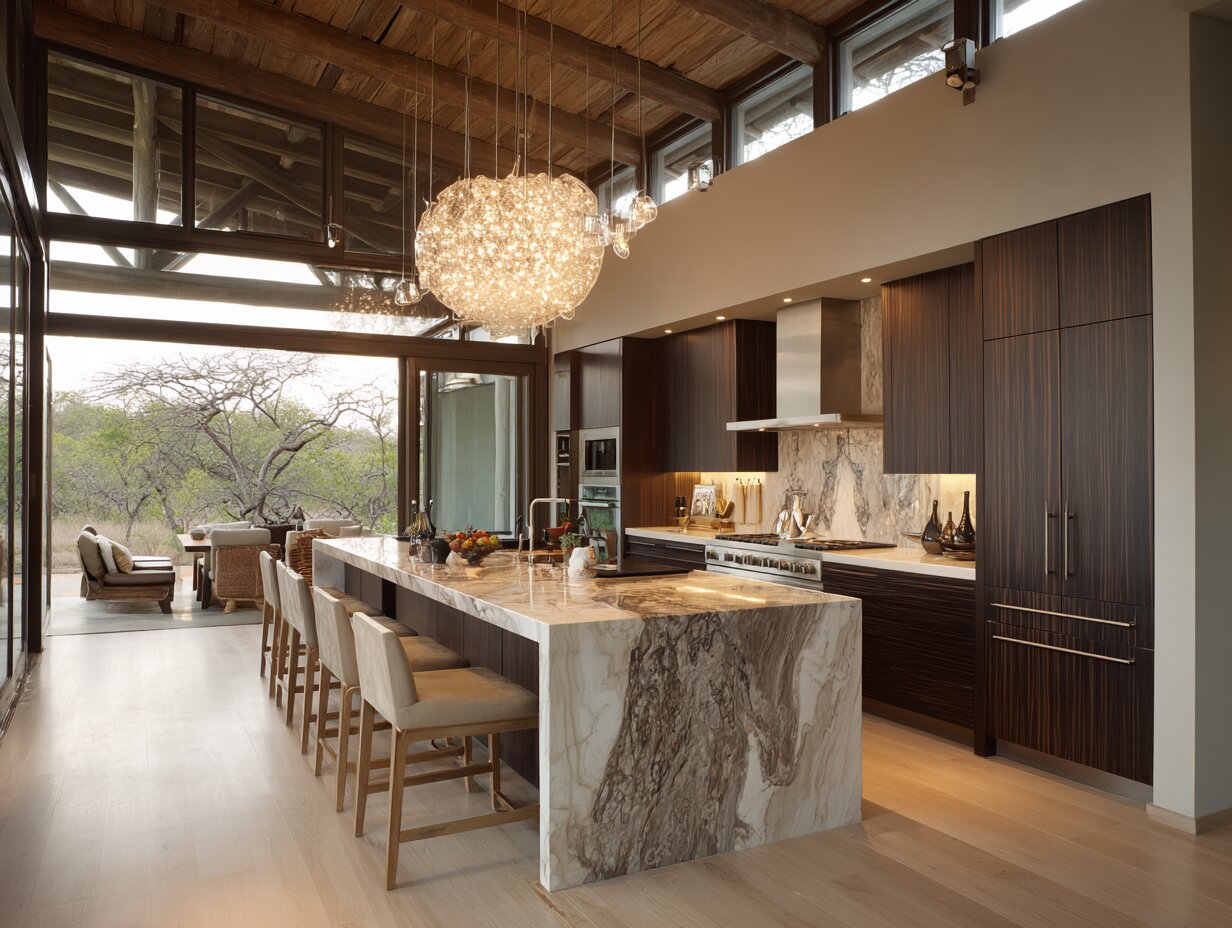
Meta Description: How kitchen lighting affects cabinet colors, from white and gray to natural wood and brown, and how to choose the right shade for your space.
Which Kitchen Cabinet Color Is Right for Your Kitchen's Lighting?
Selecting a color for kitchen cabinets involves more than merely selecting the shade of color you want. The lighting in a room will affect the appearance of a cabinet finish significantly after it has been installed. The color can look vivid and clear in daylight, while it could be warmer or darker when the light comes from an evening source.
Based on our experience, it is easier to design an evenly lit kitchen if one considers the lighting at the beginning.
If you are fond of traditional white, modern gray, genuine wood, or dark brown kitchen cabinets, the lighting could enhance the color finish of your choice.
The Importance of Kitchen Lighting in Choosing Your Cabinet Colors
There are factors unique to your kitchen that contribute to its overall lighting, including the direction of your windows, size of the kitchen, wall colors, countertop colors, backsplash color, and light bulbs you have installed in your kitchen.
Natural lighting tends to show the true personality of the cabinet color, but it varies throughout the day. One more factor worth checking: your cabinet finish's Light Reflectance Value (LRV). A higher LRV (closer to 100) reflects more light and reads brighter in a room, while a lower LRV absorbs light and can make a space feel more enclosed. Most white and light gray finishes sit in the 70 to 85 range, while medium and dark browns often fall between 10 and 30. Depending on when the lighting is falling into the kitchen, some colors might take on a cool or warm appearance.
Similarly, your kitchen light bulbs tend to greatly affect the way cabinet colors appear. Cool or warm LED lights tend to make your wood or brown kitchen cabinets stand out.
Beyond color temperature, look at your bulbs' CRI (Color Rendering Index) rating. Bulbs below 80 CRI can mute wood grain and flatten cabinet undertones, even if the color temperature is right. Most kitchen-grade LEDs above 90 CRI will render cabinet color much closer to how it looks in daylight.
| Cabinet Color | Typical LRV | Best Bulb Temp | Min. CRI |
|---|---|---|---|
| White | 75–85 | 3000K–3500K | 90+ |
| Light Gray | 65–75 | 3000K–4000K | 90+ |
| Natural Wood / Oak | 30–50 | 2700K–3000K | 90+ |
| Medium Brown / Walnut | 15–30 | 2700K | 90+ |
| Espresso / Dark Brown | 5–15 | 2700K | 95+ |
This is the reason why we suggest you see cabinet samples in your kitchen as opposed to images or lighted samples in showrooms.
What Are The Best Cabinet Colors for Kitchens That Naturally Light Up?
If your kitchen gets plenty of natural light throughout the day, you have more room to experiment with cabinet colors. Light shades like white or gray would make your kitchen look bright and spacious, while darker shades may bring more contrast without closing down the whole room.
White and gray cabinets tend to hold their color most consistently across lighting changes, since lighter finishes have less pigment saturation to shift. If color consistency matters more to you than warmth, that consistency is worth weighing against the richer look of wood or brown tones
Another great option is natural wood color because it will bring warmth to your kitchen and at the same time, let the natural color of the wood become visible.
If you're leaning toward warmth over stark contrast, a brown kitchen cabinet is worth serious consideration for a bright kitchen. Brown adds depth without the visual weight of black cabinetry. Brown cabinets work perfectly with traditional, transitional, farmhouse, and modern kitchen styles.
Homeowners usually pick medium brown or walnut cabinets when they prefer comfort and sophistication to brightness.
Effect of Warm and Cool Lighting on Cabinet Colors
Warm Lighting
Lighting that is generally warm in nature, with bulbs around 2700K to 3000K, will make the kitchen appear cozy and welcoming. The warm lighting can enhance the warmth of wood, cream, beige, or brown cabinet colors.
Brown-colored cabinets will look especially good if your kitchen uses mainly warm lighting. Walnut-inspired and medium-brown cabinet colors will become even richer with the use of warm LEDs in the kitchen.
Cool Lighting
Cool lighting will create a feeling of freshness and modernity. However, sometimes it can highlight the blue or gray tones in the cabinets.
For instance, gray cabinets might look significantly cooler in LED lights than in natural lighting. Likewise, the warm wood cabinet color will become more neutral due to the cool lighting.
When planning kitchen lighting, we would like to suggest choosing the cabinet color and the lighting together. This will help you to create the desired atmosphere without being surprised by unexpected effects from the lighting.
Choosing Between Light, Medium, and Deep Brown Cabinets
Brown kitchen cabinets come in different shades, and each shade serves a unique purpose. Light brown cabinets can be suitable for kitchens with a need to achieve warmth in the space without having dark cabinets. A medium brown shade gives a bold touch and works best with lighter surfaces around.
Deep brown and espresso are some finishes that add elegance and drama in your kitchen. We recommend using such finishes with adequate lighting and lighter finishes in a smaller kitchen environment.
Another factor to consider is the undertone of the selected finish. There are some brown shades with a warm golden undertone, while others give a cooler tone, like walnut and gray.
One of our main suggestions is choosing a finish that looks great during the day and in the evening, under the kitchen lighting.
Don’t Select Your Cabinet Color without a Sample Test
Before picking out your cabinet color, test a real sample in the area where you'll have your cabinets installed. See how it looks near your windows both morning and afternoon, and look at how it works in the artificial lights of your kitchen in the evening.
Compare the sample to your countertop, backsplash, flooring, and wall colors. It'll be easier for you to spot undertones and decide whether this combination looks balanced.
At Cabinet DIY, we provide you with cabinet samples to make this choice with more ease. You can also get our design experts' assistance in selecting your cabinet color together with your kitchen layout.
Choose a Cabinet Color Based on Your Kitchen Lighting
While some people choose their cabinet color based on popularity or photo appearance, the best one is the one that suits your kitchen's light, artificial lighting, kitchen size, and all materials surrounding your cabinets.
A bright kitchen can handle any kind of finish, while low-light kitchens should be complemented by lighter colors or carefully balanced dark colors. If you're thinking about a brown kitchen cabinet, then the light temperature and brown undertones should play an important role in your choice.
The cabinet color you fall in love with online is only ever a starting point. Bring a sample home, watch it through a full day of light, and you'll know within an hour whether it's right; no showroom photo can tell you that.
Comments
Pinterest CabinetDIY
Latest Blog Posts
01
Sep
0
How Kitchen Lighting Changes the Way Cabinet Colors Look
Cabinet colors shift under different lighting. See how natural and artificial light affect white, gray, wood, and brown cabinet finishes before you choose....
23
Aug
0
Black Kitchen Cabinets: How to Choose the Right Style, Finish, and Layout
Explore black kitchen cabinet styles, finishes, pros and cons, and design tips to help you choose the right black cabinets for your kitchen....
17
Aug
0
How Long Does It Actually Take to Assemble RTA Cabinets? A Room-by-Room Time Breakdown
Assemble RTA kitchen cabinets with confidence. Explore realistic assembly times by cabinet type, room-by-room breakdowns, and tips to plan your project....
13
Aug
0
White Shaker vs. White Flat-Panel Cabinets: Which Fits Your Kitchen?
Confused between a shaker and a flat-panel white kitchen cabinet? This blog contains all the key details you need to make the right choice. ...
31
Jul
0
Kitchen Cabinet Layout Mistakes That Sabotage a DIY Remodel
Avoid common kitchen cabinet layout mistakes that can impact storage, workflow, and functionality. Learn practical planning tips for a successful DIY remodel....











Best Sellers
Information
My Account