Your shopping cart is empty!
Cabinet Refacing vs. Replacing with RTA Cabinets: Which Actually Saves You More in 2026
Posted By: Eva Times Read: 601
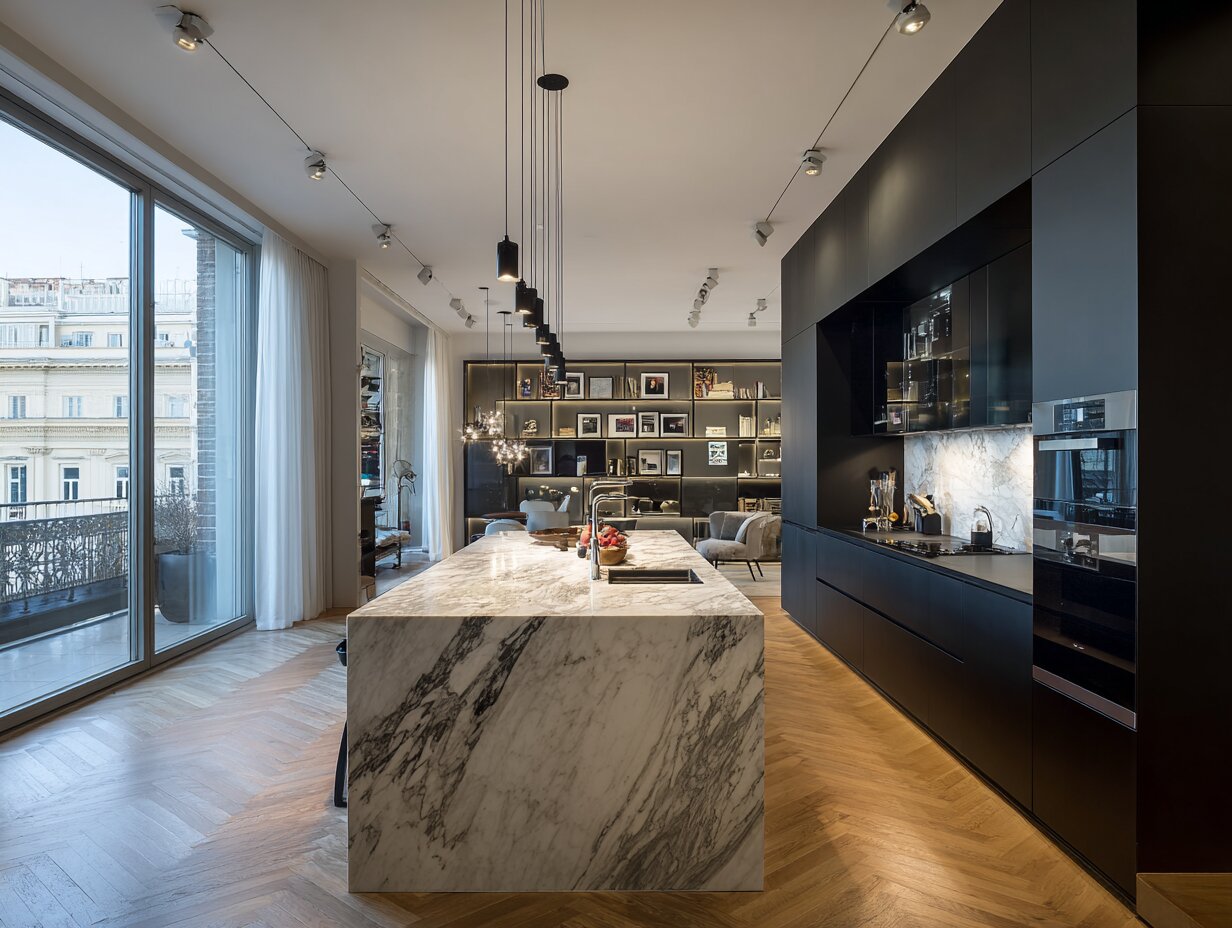
If your kitchen cabinets feel dated, worn out, or simply don't fit your space the way they used to, you're generally looking at two paths forward: reface what you have, or replace it entirely. Either route can transform the room, but figuring out which one actually makes sense for you comes down to a close look at the numbers.
After working through enough of these remodeling projects with clients, we've noticed the real question people should be asking isn't which option costs less upfront. It's which one actually pays off in the long run.
In 2026, replacing the old cabinets with ready-to-assemble or RTA cabinets is the most sensible investment for many homeowners. That said, refacing can still make sense if your existing cabinet boxes are sound and your kitchen's current layout already works well for you.
What Does Cabinet Refacing Actually Involve?
Cabinet refacing involves keeping the current cabinet boxes while replacing the visible components, such as drawer fronts, exposed surfaces, and doors. New hardware and updated finishes can complete the transformation.
It is simple; you retain most of your current kitchen’s structure but change its look. Refacing might be the right choice if you have cabinets in great shape, like their structure, and need to change only their look and not their structure entirely. It may also result in fewer demolition processes.
The tradeoff many homeowners discover too late: refacing only changes what you see. If the boxes themselves have poor storage, an inefficient layout, water damage, or outdated construction, none of that improves.
Why Replacing Cabinets Can Deliver More Value
Changing the cabinets allows for reassessing the aesthetics and practical aspects of the kitchen.
RTA cabinets offer options to change the shape, size, colors, and even add extras to the existing configuration to make the kitchen better suited to the actual way it is used. It becomes particularly useful when the present design is taking up too much space or does not provide enough storage options for the family.
However, we often see that people focus on how costly it is going to be to change the cabinets, but do not think about the possibility of addressing a number of issues in one go.
This is important since changing some of the parts or even redoing them can prove to be more expensive than doing the whole project at once.
Cabinet Refacing vs. RTA Cabinets: The Difference
At first glance, refacing seems like the more affordable route since it involves fewer parts overall. In reality, the total cost can vary quite a bit depending on the materials you pick, how large your kitchen is, local labor rates, and the shape your current cabinets are in.
Here's what the numbers actually show. Our Classic White RTA line currently runs around $234 per linear foot, which already sits below most industry-wide RTA averages of $100 to $300 per linear foot. Add typical installation labor for a straightforward cabinet swap, generally $50 to $90 per linear foot when no layout changes are involved, and a full RTA replacement using CabinetDIY cabinets lands somewhere between $280 and $325 per linear foot installed.
Refacing, on the other hand, generally falls between $150 and $450 per linear foot based on the materials you go with, and most homeowners end up spending somewhere around $7,000 to $7,500 for a typical kitchen. That refacing price already assumes professional labor: surface prep, replacing or refurbishing doors and drawer fronts, and finishing everything to a uniform look. Cut corners on any of these steps, and you'll likely pay less, but the finished look and durability will show it.
The takeaway is this. On a similarly sized kitchen, RTA replacement often lands in the same range as a mid to high-end refacing job, though refacing can still come in cheaper if you choose basic laminate and your existing boxes need little prep work. The real question isn't which option costs less on the low end. It's whether you'd rather spend a similar amount on a surface-level update or put that same budget toward a fresh cabinet box that also fixes storage or layout problems.
The savings become even more noticeable when the homeowner assembles or installs part of the project themselves. In our experience, this is one of the primary reasons homeowners start comparing refacing and RTA cabinets in the first place.
What About Installation Time?
Refacing typically takes 2 to 5 days for a straightforward project, since the cabinet boxes stay in place. But if your existing surfaces need heavy prep work or repairs, that timeline can stretch out considerably.
Replacement requires removal of the old cabinets and installation of the new ones; however, it can be done effectively if everything is planned properly. The benefit of RTA cabinets is that they give the homeowner the opportunity to schedule assembly and installation according to their needs.
It all depends on how large the kitchen is and how much work needs to be done. Refacing might be done fast if the project is not complicated.
Which Option Gives You More Design Freedom?
Refacing is done on the basis of the kitchen that you have at present. The layout of the cabinetry in your kitchen may remain the same even after refacing the doors and finishes.
This may suit you if you find that your present kitchen layout meets all your requirements. However, if you want to have a more modern layout, extra storage capacity, and a different combination of drawers and doors, then replacing your cabinetry would be more flexible for you.
The one reason why our clients prefer RTA cabinets is that it is possible to design a kitchen that has a purpose-built feel instead of an updated one.
When Should You Choose Cabinet Refacing?
Refacing may be the appropriate choice when:
- Your cabinet boxes are sound structurally
- You are fully satisfied with the current layout
- You only want a new style, color, or finish
- Your storage needs have not changed
- You want to minimize major demolition
When Does Cabinet Replacement Make More Sense?
On the other hand, replacement is a better choice when:
- Your cabinet boxes show wear or damage
- Your kitchen lacks sufficient storage currently
- The layout is inefficient
- You want to change cabinet sizes
- You want a new style completely
- You plan to keep the kitchen for many years
In these cases, RTA cabinets provide a good compromise when it comes to the combination of design versatility, quality, and price of the project.
Our Verdict: Think Bigger than the Lowest Price Tag
There can be some good reasons to refinish your cabinets, but there are also reasons why this project might cost more than you expect. If the existing cabinets are good enough, then maybe a little work will be cheaper. Otherwise, doing the work now without getting new cabinets could end up being a waste of time.
In 2026, there are lots of good reasons why updating an old cabinet system makes sense by using RTA cabinets.
For us at CabinetDIY, one of the greatest things about RTA cabinets is the freedom that allows homeowners to create their own kitchen based on their needs.
So when the structure is sound, refacing can be enough. But when the structure needs replacing, it pays to know where you stand.
Comments
Pinterest CabinetDIY
Latest Blog Posts

12
Oct
0
RTA Cabinets Just Arrived? What to Check Before You Start Building
Inspect your DIY kitchen cabinets for shipping damage, missing parts, finish defects, and sizing errors before assembly begins....
22
Sep
0
How to Measure Your Kitchen Before Ordering DIY Cabinets
Learn how to measure your kitchen for DIY cabinets, from walls and windows to appliances and plumbing, before placing your order....
21
Sep
0
Slim Shaker or Regular Shaker? Here's What You're Actually Choosing Between
Slim shaker cabinets have narrower rails and a larger center panel. See how they compare with regular shaker on style, hardware, and kitchen size....
16
Sep
0
What Color Walls Go With Yellow Kitchen Cabinets?
What color walls go with yellow kitchen cabinets? Explore stylish color combinations and practical tips for creating a bright, balanced kitchen....
14
Sep
0
How to Keep Brown Kitchen Cabinets Looking Rich (Cleaning & Care Tips)
Keep brown kitchen cabinets looking rich with practical cleaning, stain removal, and maintenance tips that protect the finish and extend cabinet life....











Best Sellers
Information
My Account