Your shopping cart is empty!
10 Mistakes Everyone Makes When Assembling Ready-to-Assemble Cabinets
Posted By: Eva Times Read: 541
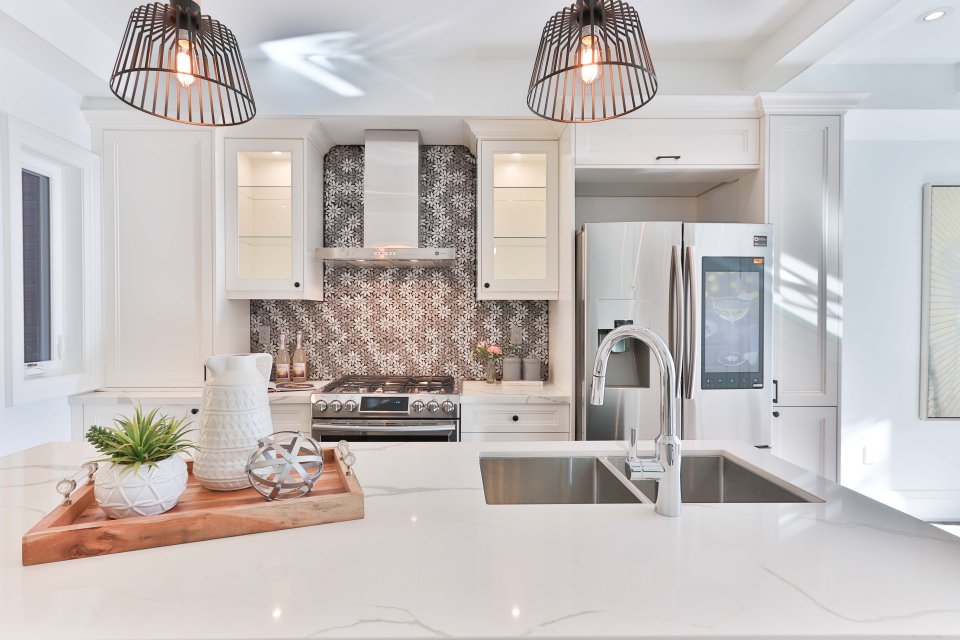 You’re staring at that flat-packed box with a mix of excitement and dread. Your Pinterest board is full of dream kitchens. Your weekends are blocked off. You even bought a power drill just for this. What could possibly go wrong?
Well… a lot.
Ready-to-assemble cabinets (RTA cabinets) are a game-changer for DIY enthusiasts. They save money, offer stylish flexibility, and give you the satisfaction of building something real with your own two hands. But here's the deal—if you're not careful, you can go from kitchen makeover to kitchen meltdown pretty fast.
Let’s break down the 10 most common mistakes people make when assembling ready-to-assemble cabinets—and how to avoid turning your dream project into a DIY disaster.
1. Skipping the Instructions Because “You Got This”
If you've ever tossed an instruction manual aside thinking it’s just a formality, you’re not alone. And, you’re not right.
Even experienced DIYers fall into the trap of winging it.
Why it matters: The step-by-step guide to assembling RTA kitchen cabinets exists for a reason. It outlines the process in its entirety. Miss one pre-drilled hole or bracket, and you’ll spend hours undoing and redoing. And, you certainly don't want to do that.
Pro tip: Read the full manual first. Then lay out every part before you even think about reaching for a screwdriver.
2. Using the Wrong Tools (or Skipping Tools Altogether)
Yes, some RTA cabinets claim you only need a screwdriver. But let’s be real—if you want crisp corners and tight joints, you need the right gear.
Essential tools needed to assemble RTA cabinets properly:
- Rubber mallet
- Drill/driver
- Clamps
- Level
- Measuring tape
- Wood glue (optional but useful)
Don’t guess. Use what’s recommended. Your cabinets and your sanity will thank you.
3. Rushing the Process Like It’s a Race
You might be excited to show off your new kitchen tonight, but speed leads to sloppy results.
Common result: Panels don’t align, screws strip, or worse—your freshly built cabinet collapses mid-install.
Key reminder: Avoiding damage when building RTA cabinets starts with patience. Take breaks. Double-check alignments. You’re building furniture, not flipping burgers.
Pro tip: Take your time to build. Every creation has its process, and you’ve got to respect it and the time it takes to complete. Build like a creator because, somewhere down the line, every DIYer is one.
4. Misaligning Cabinet Doors
Uneven doors are the signature move of a rushed or miscalculated build.
What goes wrong:
Cabinet doors may look fine on day one, but they’ll sag, scrape, or go crooked if improperly installed.
Fix it tip: Learn how to align cabinet doors on RTA cabinets before drilling. Use a level and spacers. And if it’s too late? Here’s how to fix crooked RTA cabinet doors: loosen the hinges slightly and realign before retightening.
5. Skipping the Pre-Assembly Checks
You rip open the box and dive in… only to realize 20 minutes later you're missing a dowel or have two left side panels.
Big mistake: Not checking the inventory before starting.
Pro move: Always check your parts list. Sorting everything first prevents heartbreak later. Seriously, things to check before assembling flat-pack cabinets include:
- Quantity and labeling of all panels
- All screws, cams, and hardware
- Tools required
6. Ignoring Wall Alignment and Level Floors
Your floor might look even, but just a ½ inch tilt will throw everything off.
Result: Drawers won’t close, doors swing open, and your countertop sits crooked.
What you need: Ready-to-assemble cabinets installation troubleshooting often begins with checking the floor level and wall plumb. Shims and laser levels are lifesavers.
7. Over-Tightening Screws
You want it solid, not shattered.
Common mistake: Torquing screws so hard they strip out or split the particle board.
Better idea: Tighten until snug, no more. Assembly errors that ruin ready-to-assemble cabinets often stem from overconfidence, not under-skilling.
8. Not Labeling or Sorting Parts
When every white panel looks the same, confusion is inevitable.
Easy fix: Use sticky notes or painter’s tape to label each piece. This avoids the beginner mistakes with RTA kitchen cabinets like swapping a base for a side panel—or worse, assembling the whole thing backward.
9. Doing It All Alone (When You Really Shouldn't)
Yes, you’re a DIY warrior. No, that doesn’t mean you have four arms.
Why it matters: Cabinets are awkward to hold, balance, and drill into by yourself. Enlist a friend, even if it’s just to hold while you align.
Key long-tail inclusion: How to install RTA cabinets correctly often starts with teamwork.
10. Skipping the Finishing Touches
The last mile matters. Crooked handles, smudged surfaces, or missing cover caps make your cabinets scream “rushed.”
Final step: Clean all surfaces, adjust hinges, and install soft-close hardware if possible. Use DIY cabinet assembly hacks and tips like installing drawer bumpers for a luxe feel.
Wrapping Up: Learn from These Mistakes, Don’t Repeat Them
We’ve all been there—sitting in a pile of dowels, half a cabinet built, wondering if we’ve made a huge mistake. But here’s the truth: Ready-to-assemble cabinets are one of the smartest upgrades you can do at home.
They’re cost-effective, customizable, and totally doable with the right mindset.
Remember these top mistakes. Avoid them. And when that final door clicks shut, you’ll feel like a total rockstar—not just for building something, but for doing it right.
Comments
Pinterest CabinetDIY
Latest Blog Posts

12
Oct
0
RTA Cabinets Just Arrived? What to Check Before You Start Building
Inspect your DIY kitchen cabinets for shipping damage, missing parts, finish defects, and sizing errors before assembly begins....
22
Sep
0
How to Measure Your Kitchen Before Ordering DIY Cabinets
Learn how to measure your kitchen for DIY cabinets, from walls and windows to appliances and plumbing, before placing your order....
21
Sep
0
Slim Shaker or Regular Shaker? Here's What You're Actually Choosing Between
Slim shaker cabinets have narrower rails and a larger center panel. See how they compare with regular shaker on style, hardware, and kitchen size....
16
Sep
0
What Color Walls Go With Yellow Kitchen Cabinets?
What color walls go with yellow kitchen cabinets? Explore stylish color combinations and practical tips for creating a bright, balanced kitchen....

14
Sep
0
How to Keep Brown Kitchen Cabinets Looking Rich (Cleaning & Care Tips)
Keep brown kitchen cabinets looking rich with practical cleaning, stain removal, and maintenance tips that protect the finish and extend cabinet life....











Best Sellers
Information
My Account