Your shopping cart is empty!
How Not to Ruin a Mid-Century Kitchen with the Wrong Cabinets
Posted By: Eva Times Read: 387
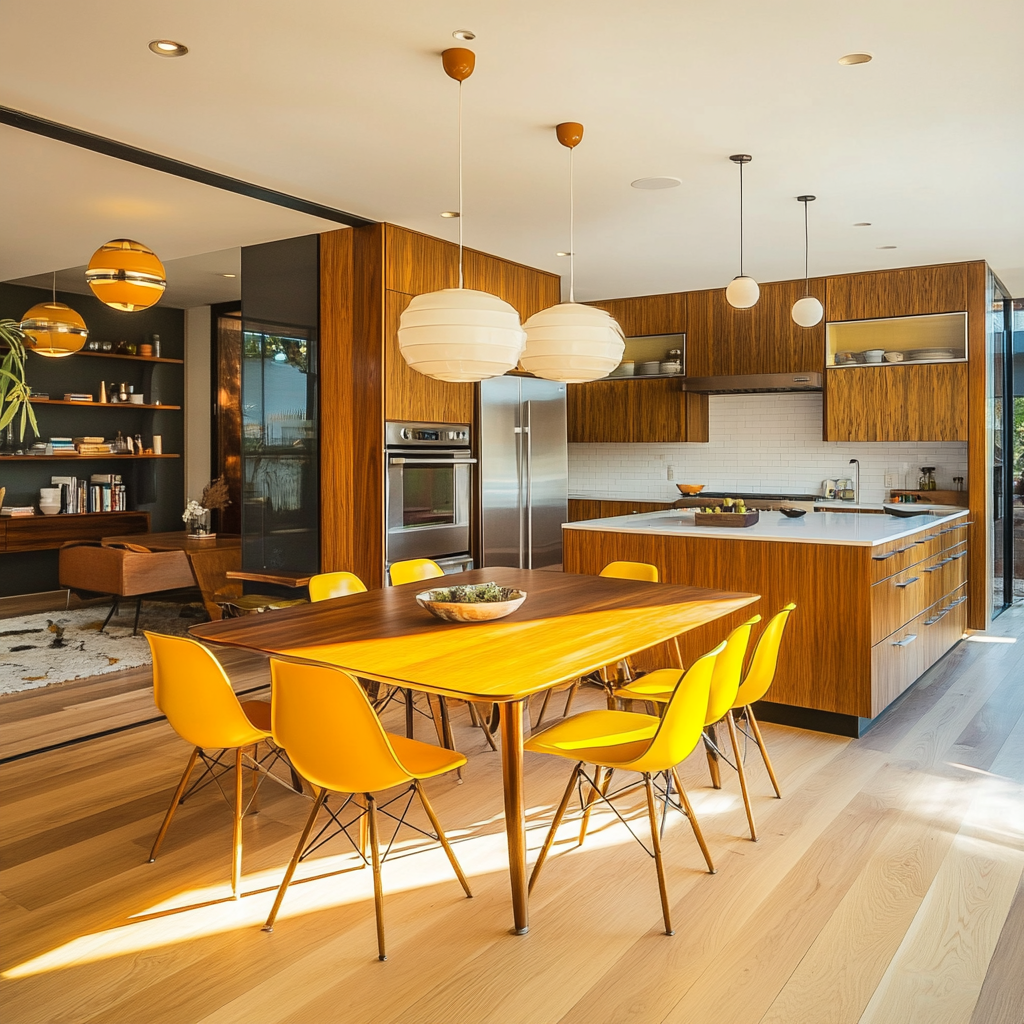
Some individuals have inherited a mid-century kitchen from their parents or grandparents in a heritage home, while others are interested in recreating the look from scratch. Regardless of which category you fall into, you must choose the right mid-century modern kitchen cabinets to avoid distorting the authentic look and feel.
Cabinets may seem like a small part of this kitchen, but a wrong selection can ruin the whole mid-century vibe. Hence, we’ve created this blog to help homeowners avoid common cabinet-related mistakes so they can create and preserve a mid-century kitchen for years. Let’s explore the mistakes listed below.
Adding Too Much Detail to Your Cabinet Doors
When you visit a showroom and see cabinets with decorative trims, fancy moldings, and raised panels, it’s easy to get swayed by their appearance. Since such cabinets look expensive and elegant, some homeowners believe they’ll enhance the appearance of their mid-century kitchen.
However, these cabinets have no place in mid-century kitchens. Mid-century designs were all about stripping away unnecessary decoration. Designers of this era believed that cabinets should be simple so that other elements can shine. Hence, you should choose slab-front cabinets featuring flat, simple doors with no fancy details.
They may appear plain at first sight, but that’s precisely what you need for a mid-century kitchen. Installing such simple cabinets helps your kitchen’s countertops, lighting, and layout shine.
Choosing the Wrong Type of Wood
It’s another cardinal mistake that many homeowners make. Most people are aware that mid-century kitchens featured wood cabinets, but few realize that not all woods work for mid-century design.
For example, the distressed barn wood or heavily knotted pine may look excellent in a farmhouse kitchen, but it’ll be a mismatch for mid-century kitchens. Mid-century designs favoured wood with clean, straight patterns. We’re talking about natural wood patterns that you’ll find in walnut, teak, birch, or red oak.
The wood you choose for cabinets must look refined and intentional, not rough or rustic. Hence, when you explore mid-century modern kitchen cabinets, pick one with smooth and finished surfaces.
Going Overboard with Cabinet Hardware
Some people have a misconception that adding large, decorative, or vintage-inspired knobs can make the cabinet look more mid-century. In reality, such hardware with excessive detailing fights against the clean simplicity that mid-century designs tried to achieve.
Mid-century kitchens used cabinet hardware that almost disappeared into the design. A quick look at popular mid-century kitchen designs will highlight how most cabinets featured simple metal bars, small rectangular pulls, or slim tab handles. Keeping this in mind, mid-century modern kitchen cabinets have skipped visible hardware altogether.
They now feature hidden finger pulls or push-to-open mechanisms to align with the mid-century design sensibilities. A simple way to ensure you choose the right cabinets is to make sure the hardware never becomes the first thing someone notices about them. If it does, scale down and simplify.
Painting Everything White (Or Grey)
White and grey cabinets are currently trending because they work well with many kitchen styles. However, they don’t fit well into mid-century designs. Authentic mid-century kitchens relied heavily on warm, natural wood for cabinetry.
Some commonly used options included walnut, with its rich chocolate tones, and teak, with its honey-coloured grain. Lighter oak was also a common choice as it brought warmth without becoming too dark. All of these options created the cozy, inviting feeling that made mid-century kitchens feel lived-in.
Hence, if you’re trying to recreate a mid-century kitchen from scratch, ensure you avoid installing the current white or grey cabinets. Stick to the wooden cabinet options we mentioned for an authentic look and feel.
Turning Your Kitchen Into a 1950s Movie Set
While we understand some homeowners want to do justice to mid-century designs by replicating even the smallest detail, it can actually backfire. When you try to tick every single detail, such as slab cabinets, sunburst clock, retro appliances, etc., your kitchen suddenly starts looking less like a kitchen and more like a themed diner.
Although there’s nothing wrong with these individual items, a problem arises when you try to add too many vintage pieces into the kitchen. You can avoid this mistake by letting your cabinets carry the mid-century aesthetic and letting other modern elements flow naturally.
This way, your mid-century modern kitchen cabinets remain period-appropriate while your appliances remain current. If you want to install an iconic mid-century light fixture for extra alignment, ensure you limit it to only one fixture.
Conclusion
Creating or preserving a mid-century kitchen isn’t challenging if you’re clear about the design principles. Even if you cannot keep up with every design element, simply getting the cabinets right can make a significant difference. If you pick mid-century modern kitchen cabinets based on the factors discussed in this blog, you’ll get excellent results.
Just keep the cabinets simple, pick the right wood, and keep minimal hardware. Avoid overdetailing or investing in white/grey cabinets. Following these points will give you a mid-century kitchen that’s both timeless and authentic.
Comments
Pinterest CabinetDIY
Latest Blog Posts
12
Oct
0
RTA Cabinets Just Arrived? What to Check Before You Start Building
Inspect your DIY kitchen cabinets for shipping damage, missing parts, finish defects, and sizing errors before assembly begins....
22
Sep
0
How to Measure Your Kitchen Before Ordering DIY Cabinets
Learn how to measure your kitchen for DIY cabinets, from walls and windows to appliances and plumbing, before placing your order....
21
Sep
0
Slim Shaker or Regular Shaker? Here's What You're Actually Choosing Between
Slim shaker cabinets have narrower rails and a larger center panel. See how they compare with regular shaker on style, hardware, and kitchen size....
16
Sep
0
What Color Walls Go With Yellow Kitchen Cabinets?
What color walls go with yellow kitchen cabinets? Explore stylish color combinations and practical tips for creating a bright, balanced kitchen....
14
Sep
0
How to Keep Brown Kitchen Cabinets Looking Rich (Cleaning & Care Tips)
Keep brown kitchen cabinets looking rich with practical cleaning, stain removal, and maintenance tips that protect the finish and extend cabinet life....











Best Sellers
Information
My Account